Az angol „Shopping” tételben a vásárlási szokásokról, a különböző üzlettípusokról, a kisboltok és a nagy bevásárlóközpontok előnyeiről és hátrányairól, valamint az online vásárlásról lehet beszélni. A témához hozzátartozik a ruhavásárlás, a próbafülke használata, a fizetés, a hibás termék reklamációja és a részletre történő vásárlás is.
It is my mum who usually does the shopping in my family. On weekdays, my mother does the shopping for the family. She buys daily goods, such as bread and rolls (bakery products), milk, cheese, butter and yoghurt (dairy products), eggs and chocolate.
Shopping habits - Vásárlási szokások
However, at weekends I always help my mum with the shopping. We tend to buy groceries in a small shop nearby and bulky stuff in a supermarket at the weekend. I don’t mind shopping for groceries, clothes, shoes, books and presents for people I love.
I often go to small shops or groceries, because the food is fresher and the atmosphere is friendlier there. I know the shop assistants and I can have a small conversation with them. At small shops, the atmosphere is friendlier, shop assistants are more polite and helpful and the quality of the goods may be better.
One problem people have with small groceries is that the range of goods is very limited. Another major disadvantage is that these shops tend to be quite pricy. At small shops, however, the choice can be limited and some products may be more expensive.
But sometimes I go to bigger supermarkets, hypermarkets and department stores, because they are cheaper and they have a wider choice. I normally buy meat products, cold cuts, sweets, drinks and toiletries there. People prefer bigger shopping facilities, because they may be cheaper and the range of goods is wider.
Big hypermarkets and small shops
In a hypermarket, everything is in one place, there is a big variety of products, you can find good bargains and there are often sales with discounts. There is a self-service, you only have to queue up at the checkout, and there is also a big car park next to the market place.
However, they are usually on the edge of the town and you sometimes end up spending more than you wanted. These shops are very impersonal and rural people may have to travel a lot to these places.
| Small shops | Big shops and hypermarkets |
|---|---|
| The food is fresher. | Everything is in one place. |
| The atmosphere is friendlier. | There is a big variety of products. |
| Shop assistants are more polite and helpful. | They may be cheaper. |
| The range of goods is very limited. | You can find good bargains and discounts. |
| These shops tend to be quite pricy. | They are usually on the edge of the town. |
Places and people connected with shopping
People can go shopping in a supermarket, a hypermarket, a market, a department store, a shopping centre, a chain store, a boutique or a small grocery. They can also visit a jeweller’s, a greengrocer’s, a butcher’s, a stationer’s, a baker’s, a toy store, a dairy or a hardware store.
A customer can ask a shop assistant for help, while a shopkeeper runs a shop. A customer can use a trolley or a basket and can take a shopping list with them. A shop window may attract people, although window shopping is also a popular activity.
- shop - bolt, üzlet
- store - üzlet
- shopping - vásárlás
- customer - vevő
- shop assistant - eladó
- shopkeeper - boltos
- trolley - bevásárlókocsi
- basket - kosár
- shopping list - bevásárló lista
- supermarket - szupermarket
- hypermarket - hipermarket
- market - piac
- department store - áruház
- shopping centre - bevásárlóközpont
- chain store - áruházlánc
- boutique - butik
A greengrocer’s is a vegetable shop, a butcher’s sells meat, a baker’s sells bakery products, and a stationer’s sells stationery. A hardware store sells tools and materials, while a dairy sells dairy products.
- jeweller’s - ékszerbolt
- grocery - élelmiszerbolt
- grocer - fűszeres
- greengrocer’s - zöldségbolt
- greengrocer - zöldséges
- butcher’s - húsbolt
- butcher - hentes
- stationer’s - írószerbolt
- stationer - írószeres
- stationery - írószer
- baker’s - pékség
- baker - pék
- toy store - játékbolt
- dairy - tejtermékbolt
- hardware store - vasáru bolt
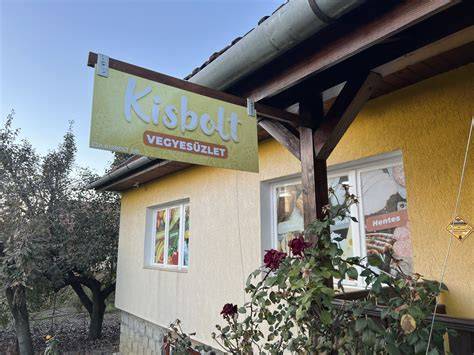
Useful shopping verbs and expressions
To shop for something means vásárolni valamit, to do the shopping means bevásárolni, to go shopping means elmenni vásárolni, and to buy means venni. People can look for something, find something, ask somebody to help them and choose the best product.
- to shop for something (shopped, shopped) - vásárolni valamit
- to do the shopping (did, done) - bevásárolni
- to go shopping (went, gone) - elmenni vásárolni
- to buy (bought, bought) - venni
- to be interested in something - érdekel valami
- to find (found, found) - találni
- to look for something (looked, looked) - keresni valamit
- to help (helped, helped) - segíteni
- to match (matched, matched) - illik valami valamihez
- to go with something (went, gone) - megy valami valamihez
The choice of a product can depend on its quality, quantity, colour, size and price. Customers may also have a special requirement, and some shops specialise in a particular type of product.
- requirement - elvárás
- quality - minőség
- quantity - mennyiség
- choice - választék
- to specialise in - szakosodni
- advertisement, advert, ad - reklám, hirdetés
- material - anyag
- tool - eszköz
Shopping for clothes
I shop for clothes at bigger shopping centres/malls, because they are cheaper and you can find all kinds of styles there. It is better to go shopping with friends, because I don’t get bored, and they can help me choose the best dress.
At a clothes shop, customers can ask about the size, colour and quality of a garment. They can also ask whether a piece of clothing is fashionable, elegant, conservative or old-fashioned.
- clothes - ruhák
- fashion - divat
- fashionable - divatos
- old-fashioned - régimódi
- elegant - elegáns
- conservative - hagyományos
- size - méret
- colour - szín
- household goods - háztartási cikkek
Customers usually try clothes on in a changing room or fitting room. They may take something off, try something on and check whether it fits. If a garment is loose, it can be taken in, while a tight garment can be let out.
If a garment is too long, it can be taken up, and if it is too short, it can be let down. A customer can also ask whether the clothes fit or whether they suit them.
- changing room - próbafülke
- fitting room - próbafülke
- to try something on - felpróbálni valamit
- to take something off - levenni ruhát
- loose - bő
- to take something in - bevenni
- tight - szűk
- to let something out - kiengedni
- long - hosszú
- to take something up - felvarrni
- short - rövid
- to let something down - leengedni
- to fit - megfelel, jó
- to suit - jól áll
Clothes vocabulary
There are many different types of clothes, for example underwear, a blouse, a fur coat, a bow tie, a raincoat, jeans, a swimsuit, a sweatshirt, a T-shirt, a shirt, a coat, a suit, a skirt and trousers.
Clothes can have a collar, buttons, sleeves or a hood. People can also wear tights, a scarf, gloves, boots, trainers or sneakers. A suit can mean an öltöny or a kosztüm.
- underwear - alsónemű
- blouse - blúz
- fur coat - bunda
- bow tie - csokornyakkendő
- raincoat - esőkabát
- jeans - farmer
- swimsuit - fürdőruha
- collar - gallér
- button - gomb
- tights - harisnyanadrág
- sweatshirt - hosszúujjú póló
- T-shirt - póló
- shirt - ing
- coat - kabát
- hood - kapucni
- hooded - kapucnis
- scarf - sál
- gloves - kesztyű
- suit - öltöny, kosztüm
- bra - melltartó
- skirt - szoknya
- trousers - nadrág
- sleeve - ruha ujja
- tracksuit - melegítő, tréningruha
- boots - csizma
- trainers, sneakers - edzőcipő
- heel - sarok
Fashion
Some clothes come into fashion, while other clothes go out of fashion. A fashionable piece of clothing is currently popular, whereas an old-fashioned piece is no longer considered modern.
People may prefer elegant or conservative clothes, depending on their personality and the occasion. A colour or style can go with another garment, and a particular piece of clothing can suit somebody very well.
Shopping, payment and the checkout
Oh, before I forget! I really hate standing in the line/queue at the till/cash register. At the checkout, customers may have to queue up before they can pay for their shopping.
And I always pay in cash, because my parents never let me pay by credit card. Customers can pay in cash or by credit card, depending on the shop and the method of payment they prefer.
- to stand in the line / queue - sorban állni
- till / cash register - pénztárgép
- to pay in cash - készpénzben fizetni
- to pay by credit card - kártyával fizetni
Buying on hire purchase
People buy expensive things, for example a flat, a car or electric appliances, on hire purchase. Firstly, you have to make a deposit, then you pay monthly instalments and interests, so you end up paying more than the original price.
It’s easy to get into trouble if you run up huge debts and you cannot pay them. For this reason, customers need to consider the total amount they will pay and whether they can afford the monthly instalments.
Online shopping
Online shopping is catching on because it’s comfortable, you can get discounts and the product is delivered to your home. Customers do not have to travel to a shop, and they can order products from home.
You have to be careful with payment so that hackers cannot access your bank account. When shopping online, customers should pay attention to the payment process and the security of their bank account.
Biztonságos és anonim online fizetések – Hogyan maradjunk biztonságban online!
Faulty products and complaints
What can you do if your purchase turns out to be faulty? You have to keep the receipt to prove where you bought the product and you can make a complaint.
They will exchange the product for you or repair it or you can ask for a refund. The receipt is important because it proves where and when the product was bought.
Shopaholics
What does it mean if someone is a „shopaholic”? „Shopaholics” can’t resist the temptation and they buy everything.
There are as well as people called „workaholics” and „chocaholics”.
Hasznos, egyben elmondható mintaszöveg
It is my mum who usually does the shopping in my family. On weekdays, my mother does the shopping for the family, and at weekends I always help my mum with the shopping. We tend to buy groceries in a small shop nearby and bulky stuff in a supermarket at the weekend.
I often go to small shops or groceries, because the food is fresher and the atmosphere is friendlier there. I know the shop assistants and I can have a small conversation with them. One problem people have with small groceries is that the range of goods is very limited, and another major disadvantage is that these shops tend to be quite pricy.
Sometimes I go to bigger supermarkets, hypermarkets and department stores, because they are cheaper and they have a wider choice. In a hypermarket, everything is in one place, there is a big variety of products, you can find good bargains and there are often sales with discounts. However, they are usually on the edge of the town and you sometimes end up spending more than you wanted.
I shop for clothes at bigger shopping centres or malls, because they are cheaper and you can find all kinds of styles there. It is better to go shopping with friends, because I don’t get bored, and they can help me choose the best dress. I really hate standing in the queue at the till, and I always pay in cash.
Online shopping is catching on because it’s comfortable, you can get discounts and the product is delivered to your home. However, you have to be careful with payment so that hackers cannot access your bank account. If my purchase turns out to be faulty, I keep the receipt, make a complaint and ask for an exchange, a repair or a refund.