A 2018. októberi középszintű angol érettségi egyik nyelvhelyességi feladata a londoni Tower hat hollójának legendájához kapcsolódott. A megadott szavakból a mondat jelentése és nyelvtani szerkezete alapján kellett egy-egy megfelelő alakot képezni.
A hiányzó szavak helyes megoldása: 1. astronomer, 2. impossible, 3. protection, 4. least, 5. descriptions, 6. magic, 7. registered, 8. attacking.
A feladat teljes szövege és a megoldások
THE SIX RAVENS
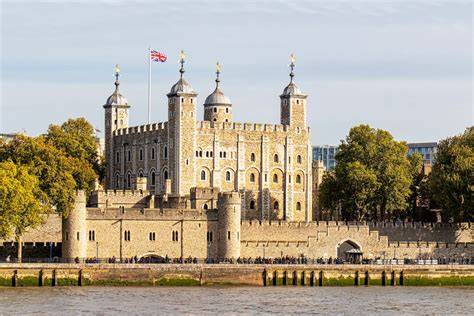
If anything characterizes the British, it is how they respect and preserve their traditions and legends. One of these fascinating legends is the story of the six ravens at the Tower of London. The legend, and with it the tradition, was born during the reign of Charles II (1630-1685).
The king’s astronomer wanted to remove all the ravens from the Tower. These birds spent all day flying around, making it impossible for him to observe the sky with his telescope. But King Charles II thought it would be bad luck to scare or kill the ravens.
To ensure the protection of these birds Charles II ruled that there should always be at least six ravens inhabiting the Tower. One of the first descriptions of the Tower of London’s ravens appeared in a novel by a Japanese writer, The Tower of London.
He wrote that those executed in the Tower were turned into ravens. It is a fabulous dark story that adds to the magic of the place. Today, the ravens are registered as ‘soldiers’ of the Kingdom, and, thus, can be expelled from the Tower if they misbehave.
This happened to Raven George, who was fired in 1986 for attacking TV antennas; he was taken to the Zoological Park of Wales.
A helyes válaszok áttekintése
| Sorszám | Megadott szó | Helyes megoldás | A mondatban betöltött szerep |
|---|---|---|---|
| 0 | fascinate | fascinating | melléknév |
| 1 | astronomy | astronomer | személyt megnevező főnév |
| 2 | possible | impossible | ellentétes jelentésű melléknév |
| 3 | protect | protection | főnév |
| 4 | little | least | felsőfokú melléknévi alak |
| 5 | describe | descriptions | többes számú főnév |
| 6 | magic | magic | főnév |
| 7 | register | registered | melléknévi igenév, illetve befejezett melléknévi alak |
| 8 | attack | attacking | „for” utáni -ing-es alak |
A megoldások nyelvtani magyarázata
1. astronomer
A mondat alanya a király csillagásza: The king’s astronomer wanted to remove all the ravens from the Tower. Az astronomy jelentése „csillagászat”, vagyis tudományterület, míg az astronomer olyan személy, aki csillagászattal foglalkozik. A birtokos szerkezet után egy személyt megnevező főnévre van szükség.
2. impossible
A szerkezet jelentése: „lehetetlenné téve számára az égbolt megfigyelését”. A mondat értelme szerint a hollók repkedése akadályozta a megfigyelést, ezért a possible szó ellentétes jelentésű alakjára, az impossible szóra van szükség.
3. protection
A ensure the szerkezet után főnév áll: To ensure the protection of these birds. A protect ige jelentése „megvédeni”, a protection főnévé pedig „védelem”.
4. least
Az állandósult szerkezet a at least, amelynek jelentése „legalább”. A megadott little szó felsőfokú alakja a least, ezért a mondatban ez a megfelelő válasz.
5. descriptions
A mondatban az one of the first szerkezet szerepel. Az one of után többes számú főnév áll, ezért a describe igéből képzett főnév többes számú alakjára, a descriptions szóra van szükség.
6. magic
Az adds to the magic of the place szerkezetben a magic főnévként szerepel, jelentése „varázs” vagy „varázslat”. A megadott szó alakját nem kell megváltoztatni.
7. registered
A are registered as szerkezet szenvedő szerkezet, amelynek jelentése: „katonaként vannak nyilvántartva”. A register ige harmadik alakja, illetve befejezett melléknévi igenévi alakja a registered.
8. attacking
A for elöljárószó után ebben a szerkezetben -ing-es alak áll: for attacking TV antennas. Ezért az attack igéből az attacking alakot kell képezni.
A Tower of London hat hollójának legendája
If anything characterizes the British, it is how they respect and preserve their traditions and legends. One of these fascinating legends is the story of the six ravens at the Tower of London. The legend, and with it the tradition, was born during the reign of Charles II (1630-1685).
The king’s astronomer wanted to remove all the ravens from the Tower. These birds spent all day flying around, making it impossible for him to observe the sky with his telescope. But King Charles II thought it would be bad luck to scare or kill the ravens.
To ensure the protection of these birds Charles II ruled that there should always be at least six ravens inhabiting the Tower. One of the first descriptions of the Tower of London’s ravens appeared in a novel by a Japanese writer, The Tower of London.
He wrote that those executed in the Tower were turned into ravens. It is a fabulous dark story that adds to the magic of the place. Today, the ravens are registered as ‘soldiers’ of the Kingdom, and, thus, can be expelled from the Tower if they misbehave.
This happened to Raven George, who was fired in 1986 for attacking TV antennas; he was taken to the Zoological Park of Wales.
Érdekességek a hollókról
Edgar Allan Poe knew what he was doing when he used the raven instead of some other bird to croak out “nevermore” in his famous poem. The raven has long been associated with death and dark omens, but the real bird is somewhat of a mystery.
Unlike its smaller cousin the crow, not a lot has been written about this remarkable bird. Here are 10 fascinating facts about ravens.
1. A hollók a legintelligensebb állatok közé tartoznak
When it comes to intelligence, these birds rate up there with chimpanzees and dolphins. In one logic test, the raven had to get a hanging piece of food by pulling up a bit of the string, anchoring it with its claw, and repeating until the food was in reach.
Many ravens got the food on the first try, some within 30 seconds. In the wild, ravens have pushed rocks on people to keep them from climbing to their nests, stolen fish by pulling a fishermen’s line out of ice holes, and played dead beside a beaver carcass to scare other ravens away from a delicious feast.
If a raven knows another raven is watching it hide its food, it will pretend to put the food in one place while really hiding it in another. Since the other ravens are smart too, this only works sometimes.
2. A hollók képesek utánozni az emberi beszédet
In captivity, ravens can learn to talk better than some parrots. They also mimic other noises, like car engines, toilets flushing, and animal and birdcalls.
Ravens have been known to imitate wolves or foxes to attract them to carcasses that the raven isn’t capable of breaking open. When the wolf is done eating, the raven gets the leftovers.
3. Európában gyakran gonosz lényként tekintettek rájuk
Many European cultures took one look at this large black bird with an intense gaze and thought it was evil in the flesh … er, feather. In France, people believed ravens were the souls of wicked priests, while crows were wicked nuns.
In Germany, ravens were the incarnation of damned souls or sometimes Satan himself. In Sweden, ravens that croaked at night were thought to be the souls of murdered people who didn’t have proper Christian burials.
And in Denmark, people believed that night ravens were exorcized spirits, and you’d better not look up at them in case there was a hole in the bird’s wing, because you might look through the hole and turn into a raven yourself.
4. A hollók számos mítoszban megjelennek
Cultures from Tibet to Greece have seen the raven as a messenger for the gods. Celtic goddesses of warfare often took the form of ravens during battles.
The Viking god, Odin, had two ravens, Hugin (thought) and Munin (memory), which flew around the world every day and reported back to Odin every night about what they saw.
The Chinese said ravens caused bad weather in the forests to warn people that the gods were going to pass by. And some Native American tribes worshipped the raven as a deity in and of itself.
Called simply Raven, he is described as a sly trickster who is involved in the creation of the world.
5. A hollók rendkívül játékosak
The Native Americans weren’t far off about the raven’s mischievous nature. They have been observed in Alaska and Canada using snow-covered roofs as slides.
In Maine, they have been seen rolling down snowy hills. They often play keep-away with other animals like wolves, otters, and dogs.
Ravens even make toys-a rare animal behavior-by using sticks, pinecones, golf balls, or rocks to play with each other or by themselves. And sometimes they just taunt or mock other creatures because it’s funny.
6. A hollók különös módon használják a hangyákat
They lie in anthills and roll around so the ants swarm on them, or they chew the ants up and rub their guts on their feathers. The scientific name for this is called “anting”.
Songbirds, crows, and jays do it too. The behavior is not well understood; theories range from the ants acting as an insecticide and fungicide for the bird to ant secretion soothing a molting bird’s skin to the whole performance being a mild addiction.
One thing seems clear, though: anting feels great if you’re a bird.
7. A hollók „kézjeleket” használnak
It turns out that ravens make “very sophisticated nonvocal signals,” according to researchers. In other words, they gesture to communicate.
A study in Austria found that ravens point with their beaks to indicate an object to another bird, just as we do with our fingers. They also hold up an object to get another bird’s attention.
This is the first time researchers have observed naturally occurring gestures in any animal other than primates.
8. A hollók alkalmazkodóképesek
Evolutionarily speaking, the deck is stacked in the raven’s favor. They can live in a variety of habitats, from snow to desert to mountains to forests.
They are scavengers with a huge diet that includes fish, meat, seeds, fruit, carrion, and garbage. They are not above tricking animals out of their food-one raven will distract the other animal, for example, and the other will steal its food.
They have few predators and live a long time: 17 years in the wild and up to 40 years in captivity.
9. A hollók együttérzést mutatnak egymás iránt
Despite their mischievous nature, ravens seem capable of feeling empathy. When a raven’s friend loses in a fight, they will seem to console the losing bird.
They also remember birds they like and will respond in a friendly way to certain birds for at least three years after seeing them. They also respond negatively to enemies and suspiciously to strange ravens.
Although a flock of ravens is called an “unkindness,” the birds appear to be anything but.
10. A fiatal hollók csoportokban kóborolnak
Ravens mate for life and live in pairs in a fixed territory. When their children reach adolescence, they leave home and join gangs, like every human mother’s worst nightmare.
These flocks of young birds live and eat together until they mate and pair off. Interestingly, living among teenagers seems to be stressful for the raven.
Scientists have found higher levels of stress hormones in teenage raven droppings than in the droppings of mated adults. It’s never easy being a teenage rebel.
Hollók - Az ég intelligens gazemberei | Ingyenes dokumentumfilm a természetről
Madárnevek angolul és magyarul
Raven, crow, jay… What other birds do you know in English? Can you match the English word with its Hungarian equivalent?
| Angol szó | Magyar jelentés |
|---|---|
| sparrow | veréb |
| robin | vörösbegy |
| tit | cinege |
| eagle | sas |
| nightingale | csalogány, fülemüle |
| thrush | rigó |
| woodpecker | harkály |
| owl | bagoly |
| crane | daru |
| stork | gólya |
A 2018. október-novemberi középszintű angol érettségi
A 2018. október-novemberi érettségi írásbeli vizsgák középszintű feladatlapjai és javítási-értékelési útmutatói. 2018. október 18. 8.00 óra 2018. október 18. 14.00 óra.
A középszintű angol érettségi feladatsorok feladatlapból, hanganyagból és megoldásokból állnak. A feladatlapok és a megoldások pdf fájlokban vannak, a hanganyagok pedig mp3-ban.
A hanganyagok átirata a megoldások végén található, egy kivétellel, ott külön linken van.
Középszintű angol érettségi feladatsorok
- 2021. május: feladatlap - hanganyag - megoldások
- 2020. október: feladatlap - hanganyag - megoldások
- 2020. május: feladatlap - hanganyag - megoldások
- 2019. október: feladatlap - hanganyag - megoldások
- 2019. május: feladatlap - hanganyag - megoldások
- 2018. október: feladatlap - hanganyag - megoldások
- 2018. május: feladatlap - hanganyag - megoldások
- 2017. október: feladatlap - hanganyag - megoldások
- 2017. május: feladatlap - hanganyag - megoldások
- 2016. október: feladatlap - hanganyag - megoldások
- 2016. május: feladatlap - hanganyag - megoldások
- 2015. október: feladatlap - hanganyag - megoldások
- 2015. május: feladatlap - hanganyag - megoldások
- 2014. október: feladatlap - hanganyag - megoldások
- 2014. május: feladatlap - hanganyag - megoldások
- 2013. október: feladatlap - hanganyag - megoldások
- 2013. május: feladatlap - hanganyag - megoldások
- 2012. október: feladatlap - hanganyag - megoldások
- 2012. május: feladatlap - hanganyag - megoldások
- 2011. október: feladatlap - hanganyag - megoldások
- 2011. május: feladatlap - hanganyag - megoldások
- 2010. október: feladatlap - hanganyag - megoldások
- 2010. május: feladatlap - hanganyag - megoldások
- 2009. október: feladatlap - hanganyag - megoldások
- 2009. május: feladatlap - hanganyag - megoldások
- 2008. október: feladatlap - hanganyag - megoldások
- 2008. május: feladatlap - hanganyag - megoldások
- 2007. október: feladatlap - hanganyag - megoldások
- 2007. május: feladatlap - hanganyag - megoldások
- 2006. október: feladatlap - hanganyag - megoldások
- 2006. május: feladatlap - hanganyag - megoldások
- 2006. február: feladatlap - hanganyag - megoldások
- 2005. november: feladatlap - hanganyag - megoldások
- 2005. május 30.: feladatlap - hanganyag - megoldások
- 2005. május 12.: feladatlap - hanganyag - hanganyag átirata - megoldások
2005-ben volt először kétszintű érettségi, ezért a korábbi feladatsorokat nem jelentetjük meg, mivel azok teljesen más jellegűek, nem segítik az aktuális felkészülést. 2005. májusában két vizsganap volt, így két feladatsor szerepelt, míg a többi évben minden vizsgaidőszakban csak egy.
2006-ban februárban is volt érettségi, a többi évben csak májusban és októberben (2005-ben novemberben).
Emelt szintű angol érettségi feladatsorok
- 2021. május: feladatlap - hanganyag - megoldások
- 2020. október: feladatlap - hanganyag - megoldások
- 2020. május: feladatlap - hanganyag - megoldások
- 2019. október: feladatlap - hanganyag - megoldások
- 2019. május: feladatlap - hanganyag - megoldások
- 2018. október: feladatlap - hanganyag - megoldások
- 2018. május: feladatlap - hanganyag - megoldások
- 2017. október: feladatlap - hanganyag - megoldások
- 2017. május: feladatlap - hanganyag - megoldások
- 2016. október: feladatlap - hanganyag - megoldások
- 2016. május: feladatlap - hanganyag - megoldások
- 2015. október: feladatlap - hanganyag - megoldások
- 2015. május: feladatlap - hanganyag - megoldások
- 2014. október: feladatlap - hanganyag - megoldások
- 2014. május: feladatlap - hanganyag - megoldások
- 2013. október: feladatlap - hanganyag - megoldások
- 2013. május: feladatlap - hanganyag - megoldások
- 2012. október: feladatlap - hanganyag - megoldások
- 2012. május: feladatlap - hanganyag - megoldások
- 2011. október: feladatlap - hanganyag - megoldások
- 2011. május: feladatlap - hanganyag - megoldások
- 2010. október: feladatlap - hanganyag - megoldások
- 2010. május: feladatlap - hanganyag - megoldások
- 2009. október: feladatlap - hanganyag - megoldások
- 2009. május: feladatlap - hanganyag - megoldások
- 2008. október: feladatlap - hanganyag - megoldások
- 2008. május: feladatlap - hanganyag - megoldások
- 2007. október: feladatlap - hanganyag - megoldások
- 2007. május: feladatlap - hanganyag - megoldások
- 2006. október: feladatlap - hanganyag - megoldások
- 2006. május: feladatlap - hanganyag - megoldások
- 2006. február: feladatlap - hanganyag - megoldások
- 2005. november: feladatlap - hanganyag - megoldások
- 2005. május 30.: feladatlap - hanganyag - megoldások
- 2005. május 12.: feladatlap - hanganyag - hanganyag átirata - megoldások