A Pride and Prejudice, magyarul Büszkeség és balítélet, Jane Austen legismertebb regénye, amelyben Elizabeth Bennet és Mr. Darcy történetén keresztül a társadalmi elvárások, a házasság, az anyagi biztonság, a büszkeség és az előítélet kérdései bontakoznak ki. Az angol nyelvű mű különösen azok számára lehet értékes, akik eredetiben vagy nyelvtanulóknak készült átdolgozásban szeretnék megismerni Austen humorát, ironikus látásmódját és szereplőinek finom jellemábrázolását.
Az Oxford Bookworms Library Pride and Prejudice-kiadása Clare West átdolgozása, az Oxford Bookworms Library Stage 6 sorozat része, és 120 oldalon kínálja a történet angol nyelvű, rövidített változatát. A kiadás a klasszikus cselekmény fő konfliktusait és régies hangulatát is megőrzi, miközben a teljes eredeti regénynél könnyebben olvasható szöveget ad a nyelvtanulók kezébe.
Jane Austen és a regény helye az életműben
Jane Austen (1775. december 16. - 1817. július 18.) világhírű angol regényírónő. A korában általános romantika túlzásaival szembefordulva a kritikai realizmus egyik úttörője. Írásaira jellemző a feszes kompozíció és az ironikus látásmód.
Főszereplői jellemzően intelligens, erkölcsileg erős hősnők, akik éles kontrasztban állnak környezetük balgaságával. A szerzőnő műviben csupa egyszerűség és őszinteség jelenik meg. Illúziótlansága könnyen tehetné keserűvé, de a keserűségtől megóvja humora; szűk látóköre könnyen tehetné provinciálissá, ezt azzal kerüli el, hogy regényei középpontjába olyan alapvető emberi szituációkat és magatartásokat állít, amelyeket a város vagy nagyvilág körülményei csak bonyolítanának, de lényegileg nem módosítanának, így aztán ábrázolásának megbízhatósága csak gyarapodik, és mindvégig meggyőzően általános érvényű marad.
A kor adott viszonyai között a közlekedési, hírközlési eszközök hiánya, illetve kezdetlegessége amúgy is korlátozta az emberi érintkezés lehetőségeit, amelyek lényegében egy tájegységen belül a családi és baráti körre szorítkoztak. Ezért, bár jogos az a vád, hogy a kor nagy történelmi eseményei - Austen alkotásai a napóleoni háborúk idején születtek - kívülrekednek regényvilágán, viszont benne vannak azok az emberek, akik vagy akikért ezeket a háborúkat vívták, az a gondolkozásmód, magatartás, társadalmi viszonylatrendszer, amely legalább annyit árul el egy korról, mint véres csatái.
Jane Austen, a daughter of a clergyman, was born in Hampshire in 1775, and later lived in Bath and the village of Chawton. As a child and teenager, she wrote brilliantly witty stories for her family's amusement, as well as a novella, Lady Susan. Her first published novel was Sense and Sensibility, which appeared in 1811 and was soon followed by Pride and Prejudice, Mansfield Park and Emma. Austen died in 1817, and Persuasion and Northanger Abbey were published posthumously in 1818.
A Pride and Prejudice legfontosabb adatai
| Adat | Információ |
|---|---|
| Szerző | Jane Austen |
| Eredeti nyelv | English |
| Műfaj | Classic Regency novel, Romance novel |
| Első kiadás | 28 January 1813 |
| Első kiadó | T. Egerton, Whitehall |
| A történet helyszínei | Hertfordshire, Derbyshire, Kent, London |
| Oxford Bookworms-átdolgozó | Clare West |
| Sorozat | Oxford Bookworms Library - Stage 6 |
| Oxford Bookworms-kiadás terjedelme | 120 oldal |
| Oxford Bookworms-kiadás | puhatáblás |
Pride and Prejudice is a novel by English author Jane Austen. Written when she was aged 20-21, it was her third novel written and became the second to see print when it was published in 1813. A novel of manners, it follows the character development of Elizabeth Bennet, the protagonist of the book, who learns about the repercussions of hasty judgments and comes to appreciate the difference between superficial goodness and actual goodness.
Pride and Prejudice has consistently appeared near the top of lists of "most-loved books" among literary scholars and the reading public. It has become one of the most popular novels in English literature, with over 20 million copies sold, and has inspired many derivatives in modern literature.
For more than a century, dramatic adaptations, reprints, unofficial sequels, films, and TV versions of Pride and Prejudice have portrayed the memorable characters and themes of the novel, reaching mass audiences.
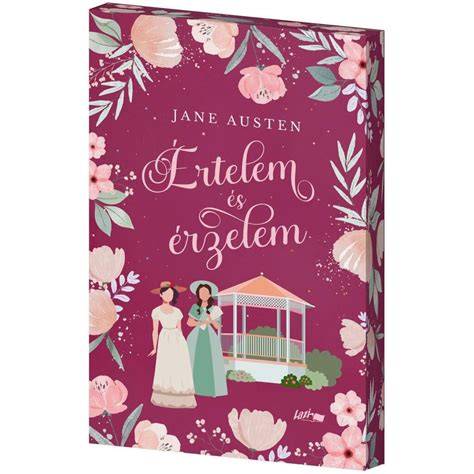
Miről szól a regény?
A Büszkeség és balítélet népszerűsége két évszázada töretlen. Jane Austen legismertebb regénye nemzedékek kedvence, egy méltán szerethető könyv.
Vagyonos férjre vadászó lányos családok, jómódú feleséget kereső vagyontalan, rangban hozzájuk illő asszonyt kereső vagyonos fiatalemberek s a házasságokat befolyásolni akaró rokonok történetét követhetjük nyomon a XIX. század eleji Angliában.
Jane Austen éleslátóan, könyörtelen iróniával ábrázolja a szereplőket, kifinomult történetszövése és humora kíséri végig a cselekményt. Akik most találkoznak először a regénnyel, végigizgulhatják, hogy az ötgyermekes Bennet család (és szomszédaik) hány leánya talál férjet, s a házasságokban mennyire egyeztethető össze az (anyagi) boldogulás és a (személyes) boldogság.
Pride And Prejudice, the story of Mrs. Bennet's attempts to marry off her five daughters is one of the best-loved and most enduring classics in English literature.
Excitement fizzes through the Bennet household at Longbourn in Hertfordshire when young, eligible Mr. Charles Bingley rents the fine house nearby. He may have sisters, but he also has male friends, and one of these-the haughty, and even wealthier, Mr. Fitzwilliam Darcy-irks the vivacious Elizabeth Bennet, the second of the Bennet girls.
She annoys him. Which is how we know they must one day marry. The romantic clash between the opinionated Elizabeth and Darcy is a splendid rendition of civilized sparring. As the characters dance a delicate quadrille of flirtation and intrigue, Jane Austen's radiantly caustic wit and keen observation sparkle.
A Bennet család helyzete
Her father, Mr Bennet-owner of the Longbourn estate in Hertfordshire-has five daughters; but this estate is entailed and so can only be inherited in the male line. To his regret, he has failed to save out of the income from the Longbourn estate to provide for his daughters.
From the Bennets' perspective, it is imperative that at least one of their daughters marry well to support the others, which is a primary motivation driving the plot.
In the early 19th century, the Bennet family lives at their Longbourn estate, situated near the small town of Meryton in Hertfordshire, England. Mrs Bennet's greatest desire is to marry off her five daughters to secure their futures.
A regiment of militia is encamped outside the town, and the younger Bennet daughters flirt with the officers, to the great embarrassment of their elder sisters. The arrival of Mr Bingley, a rich bachelor who rents the neighbouring Netherfield estate, gives her hope that one of her daughters might contract a marriage to their advantage.
Elizabeth Bennet és Mr Darcy kapcsolata
Elizabeth Bennet - the second-eldest of the Bennet daughters, she is attractive, witty and intelligent - but with a tendency to form tenacious and prejudiced first impressions. As the story progresses, so does her tumultuous relationship with Mr Darcy.
The course of Elizabeth and Darcy's relationship is ultimately decided when Darcy overcomes his pride, and Elizabeth overcomes her prejudice, leading them both to surrender to their love for each other.
At a ball, the family is introduced to the Netherfield party: Mr Bingley; his sisters and brother-in-law; and his closest friend Mr Darcy. Mr Bingley appears interested in Jane, the eldest Bennet daughter, while Mr Darcy, reputed to be twice as wealthy as Mr Bingley, is haughty and aloof, alienating the village.
He declines to dance with Elizabeth, the second-eldest Bennet daughter, as she is "not handsome enough." Although she jokes about it, Elizabeth is deeply offended.
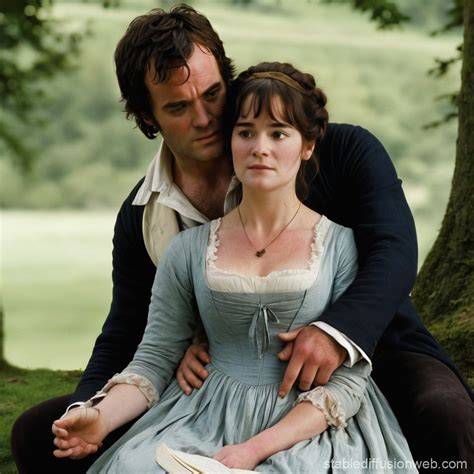
Despite this first impression, Mr Darcy secretly finds himself drawn to Elizabeth as they continue to encounter each other at social events, appreciating her wit and frankness.
A fő cselekményszálak
Jane Bennet és Mr Bingley
Jane Bennet - the eldest Bennet sister. She is considered the most beautiful young lady in the neighbourhood and is inclined to see only the good in others (but can be persuaded otherwise on sufficient evidence).
She falls in love with Charles Bingley, a rich young man recently moved to Hertfordshire and a close friend of Mr Darcy.
Convinced that Jane is an unsuitable match for his friend, Mr Darcy prompts Mr Bingley to leave for London and, supported by the two sisters, persuades him not to return to Netherfield.
Jane is heartbroken, while Elizabeth's hatred for Mr Darcy grows, as she correctly suspects he was responsible for Mr Bingley's departure.
Elizabeth, Wickham és az első benyomások
The Bennet family meets the charming militia officer George Wickham, who tells Elizabeth in confidence that Mr Darcy had treated him badly in the past.
Elizabeth's prejudice against Mr Darcy and admiration for Wickham lead her to believe him.
George Wickham - Wickham is a charming but reprehensible cad. He has been acquainted with Mr Darcy since infancy, being the son of Mr Darcy's father's steward.
An officer in the militia, he is superficially charming and rapidly forms an attachment with Elizabeth Bennet. He later runs off with Lydia with no intention of marriage, which would have resulted in her and her family's complete disgrace.
Mr Collins házassági terve
Mr Collins, a recently ordained clergyman and (as a distant cousin) the heir to the Longbourn estate, which is entailed away from the daughters, visits the Bennet family.
He intends to marry one of the Bennet girls on the advice of his patroness Lady Catherine de Bourgh, who is also Mr Darcy's aunt. He decides to pursue Elizabeth.
Elizabeth rejects Mr Collins's marriage proposal, and Mr Collins subsequently proposes to Charlotte Lucas, a friend of Elizabeth's, and is accepted.
Mr William Collins - Mr Collins is Mr Bennet's distant cousin, a clergyman and rector of Hunsford in Kent; and the current heir of the Longbourn estate.
He is an obsequious, sanctimonious and pompous man, prone to making long and tedious speeches, who is excessively devoted to his patroness and neighbour, Lady Catherine de Bourgh, and regularly dines with her at Rosings - a fact he mentions frequently.
A rosingsi találkozás és Darcy vallomása
In the spring, Elizabeth visits Charlotte and Mr Collins in Kent. Elizabeth and her hosts are invited to Rosings Park, Lady Catherine's home, where Mr Darcy and his cousin Colonel Fitzwilliam are also visiting.
Fitzwilliam unknowingly confirms Elizabeth's suspicion that Mr Darcy had intentionally separated Bingley and Jane.
Mr Darcy proposes to Elizabeth, declaring his love for her despite her low social connections. She is shocked and rejects him angrily, saying that she could never love a man who caused her sister such unhappiness; she further accuses him of treating Wickham unjustly.
Darcy admits to separating Bingley and Jane but dismisses the accusation regarding Wickham. The next day, Mr Darcy gives Elizabeth a letter explaining his history with Wickham, which contradicts Wickham's earlier assertions about their relationship and paints Wickham as profligate and predatory to young women, including Darcy's teenage sister.
Darcy explains but does not apologize for his efforts to separate Bingley and Jane, whom he believed indifferent to his friend. Though Elizabeth knew her sister was deeply in love, the letter convinces her that Darcy is a good, though proud, man and she had been unfair to him about Wickham.
Lydia és Wickham története
Months later, Elizabeth accompanies her aunt and uncle, Mr and Mrs Gardiner, on a tour of Derbyshire, where they meet Mr Darcy unexpectedly on his grand estate.
He is exceedingly gracious to Elizabeth and the Gardiners, winning Elizabeth's good opinion. In Derbyshire, she receives news that her sister Lydia has run off with Wickham, which she tells Mr Darcy.
The errant couple is eventually tracked down in London. After an agonising interim, Wickham agrees to marry Lydia; the Bennets assume that Mr Gardiner has paid him off.
But when Lydia and Wickham, now married, visit the Bennet family at Longbourn, Lydia accidentally reveals that Mr Darcy was at her wedding.
Elizabeth writes to Aunt Gardiner for further information, and Mrs Gardiner reveals that Mr Darcy secretly secured the match at great expense and trouble to himself.
A történet feloldása
Mr Bingley and Mr Darcy return to Netherfield. Jane accepts Mr Bingley's proposal.
A week later, Lady Catherine, having heard that Elizabeth and Mr Darcy intend to marry, visits Elizabeth and demands she promise never to accept Mr Darcy's proposal.
While admitting that she and Mr Darcy are not engaged, Elizabeth refuses to make such a promise.
When Darcy returns to Netherfield, Elizabeth reveals that she knows his part in Lydia's marriage and offers him her thanks; Darcy, having heard from his aunt about Elizabeth's refusal to reject him, again proposes marriage and is accepted.
A legfontosabb szereplők
Elizabeth Bennet
Elizabeth Bennet - the second-eldest of the Bennet daughters, she is attractive, witty and intelligent - but with a tendency to form tenacious and prejudiced first impressions.
A történet középpontjában Elizabeth jellemfejlődése áll. A regényben megtapasztalja, milyen következményekkel járhatnak az elhamarkodott ítéletek, és fokozatosan felismeri a különbséget a felszínes kedvesség és a valódi jóság között.
Mr Fitzwilliam Darcy
Mr Fitzwilliam Darcy - Mr Bingley's friend and owner of the Darcy family seat of Pemberley in Derbyshire, said to be worth at least £10,000 a year.
Although he is handsome, tall, and intelligent, Darcy lacks ease and social graces, so others frequently mistake his initially haughty reserve as proof of excessive pride.
A new visitor to the Meryton setting of the novel, he is ultimately Elizabeth Bennet's love interest. Though he appears to be proud and is frequently disliked at first impression for this reason, his servants vouch for his kindness and decency.
Mr és Mrs Bennet
Mr Bennet - A logical and reasonable middle-aged landed gentleman of a more modest income of £2,000 per annum, and the dryly sarcastic patriarch of the Bennet family, with five unmarried daughters.
His estate, Longbourn, is entailed to the male line. His affection for his wife wore off early in their marriage and is now reduced to mere toleration. He is often described as 'indolent' in the novel.
He favors Elizabeth, finding her and Jane to be the most sensible of the household. His detachment from the actions of his wife and younger daughters, and disinclination to impose economy on their spendthrift ways, is the ultimate cause of their current predicament; he knows this, and increasingly regrets it, but does nothing about it.
Mrs Bennet (née Gardiner) - the early middle-aged wife of Mr Bennet, and the mother of their five daughters.
Mrs Bennet is a hypochondriac who imagines herself susceptible to attacks of tremors and palpitations (her "poor nerves") whenever things are not going her way. She is silly, frivolous, and tactless, and is given to embarrassing her husband and older daughters with a casual disregard for conventions of property, responsibility or propriety.
Her main ambition in life is to marry her daughters off to wealthy men, as they will receive very little inheritance on the death of their father.
Jane, Mary, Kitty és Lydia Bennet
Jane Bennet - the eldest Bennet sister. She is considered the most beautiful young lady in the neighbourhood and is inclined to see only the good in others (but can be persuaded otherwise on sufficient evidence).
Mary Bennet - the middle Bennet sister, and the plainest of her siblings. Mary has a serious disposition and mostly reads and plays music, although she is often impatient to display her accomplishments and is rather vain about them.
She frequently moralises to her family.
Catherine "Kitty" Bennet - the fourth Bennet daughter. Though older than Lydia, she is her shadow and follows her in her pursuit of the officers of the militia.
She is often portrayed as envious of Lydia and is described as a "silly" and "irritable" young woman. However, it is said that she improved when removed from Lydia's influence.
Lydia Bennet - the youngest Bennet sister. She is frivolous, headstrong, irresponsible, and spoiled, and is her mother's favorite.
Her main activity in life is socialising, especially flirting with the officers of the militia. This leads to her running off with George Wickham, although he has no intention of marrying her.
Lydia shows no regard for the moral code of her society; as Ashley Tauchert says, she "feels without reasoning".
Charles Bingley és Caroline Bingley
Charles Bingley - a handsome, amiable, and wealthy young man who leases Netherfield Park with hopes of purchasing it.
Though genial and well-mannered, he is easily influenced by his friend Mr Darcy and his sisters' opinions, which leads to the disruption of his romance with Jane Bennet.
His inherited fortune of £100,000 is derived from "trade" rather than landed wealth.
Caroline Bingley - the snobbish sister of Charles Bingley, with an inheritance of her own of £20,000.
She harbours designs on Mr Darcy and is jealous of his growing attachment to Elizabeth. She also disapproves of her brother's admiration for Jane Bennet and is disdainful of Meryton society, driven by her vanity and desire for social elevation.
Charlotte Lucas és Lady Catherine de Bourgh
Charlotte Lucas, a friend of Elizabeth's, accepts Mr Collins's marriage proposal after Elizabeth rejects him.
Lady Catherine de Bourgh is Mr Darcy's aunt and Mr Collins's patroness. Her influence over Mr Collins and her attempt to control Elizabeth's future marriage demonstrate how strongly relatives and social rank shape the characters' decisions.
A regény fő témái
Büszkeség és balítélet
A regény címében szereplő két fogalom elsősorban Elizabeth és Darcy fejlődésében jelenik meg. Darcy társadalmi fölénye és zárkózott viselkedése büszkeségként hat a környezetére, Elizabeth pedig Wickham története és saját első benyomásai alapján balítéletet alkot róla.
Mindkét főszereplőnek felül kell vizsgálnia saját gondolkodását. Darcy megtanulja, hogy a társadalmi rang és a vagyon nem jogosítja fel mások lenézésére, Elizabeth pedig felismeri, hogy a szellemesség és a vonzó modor nem feltétlenül jelent erkölcsi jóságot.
Házasság és anyagi biztonság
Az öt Bennet nővér élete a férjkeresés jegyében zajlik: anyjuk megszállottan próbálja biztosítani számukra a megnyugtató jövőt valami pénzes és lehetőleg rangos férfiú mellett.
Csakhogy a jó eszű és éles nyelvű Elizabeth szélesebb perspektívákban gondolkozik, és ebben apja is támogatja őt.
Amikor Mr. Bingley, a módos agglegény beköltözik az egyik szomszédos birtokra, felbolydul a Bennet-ház élete. A férfi előkelő londoni barátai és a vidékre vezényelt nyalka, ifjú katonatisztek közt bizonyára számos udvarlója akad majd a lányoknak.
A regény azt vizsgálja, mennyire egyeztethető össze az anyagi boldogulás és a személyes boldogság. Elizabeth nem hajlandó pusztán anyagi vagy társadalmi előnyök miatt házasságot kötni, miközben Charlotte Lucas döntése más szempontokat állít előtérbe.
Társadalmi osztályok és társadalmi elvárások
A történetben a szereplők kapcsolatát jelentősen befolyásolja a vagyon, a családi háttér, a társadalmi rang és a rokonság véleménye.
Darcy és Elizabeth kapcsolatát kezdetben a társadalmi különbségek is nehezítik, Darcy pedig úgy véli, hogy Jane nem megfelelő pár Bingley számára. Lady Catherine később nyíltan megpróbálja megakadályozni Elizabeth és Darcy házasságát.
Első benyomások és jellemfejlődés
A regény egyik központi gondolata, hogy az emberek mások véleménye alapján könnyen ítélnek meg másokat.
A szereplők külseje, modora és társadalmi helyzete gyakran félrevezető. Wickham megnyerő viselkedése mögött erkölcsi megbízhatatlanság rejlik, Darcy zárkózottsága mögött pedig fokozatosan feltárul a felelősségtudat és a segítőkészség.
Miért érdemes angolul olvasni?
Az angol nyelvű kiadás lehetőséget ad arra, hogy az olvasó közvetlenül találkozzon Jane Austen nyelvével, humorával és párbeszédeinek finom iróniájával. A klasszikus regény eredeti nyelven különösen érdekes azoknak, akik szeretnék fejleszteni szókincsüket, olvasási rutinjukat és a régebbi angol nyelvváltozatok megértését.
Az Oxford Bookworms-változat azoknak is hozzáférhetőbbé teheti a művet, akik a teljes eredeti szöveg nyelvezetét még nehéznek találják. A történetet már ismerő olvasó számára az átdolgozás segítségével könnyebb lehet az angol szöveg követése, miközben a cselekmény és a szereplők legfontosabb konfliktusai megmaradnak.
Valójában csak nyelvtanulás céljából illetve szavak és kifejezések ismeretének bővítése miatt vettem meg a könyvet, mert a történetet már ismertem és szeretem is, olvastam magyarul, megnéztem számtalan film feldolgozást.
Ami azt illeti meglepődtem, hogy ennyi mindent értettem belőle, azt hittem maga a nyelvezet is olyan bonyolult lesz, hogy nem értek majd mindent belőle, főleg, hogy ez egy klasszikus átdolgozása.
Jó igaz, volt, hogy kétszer kellett egy mondatot elolvasnom mire biztosan megértettem, de azért szerintem ehhez képest szinte mindent értettem, ugye az ismeretlen miatt szavak voltak a legtöbb esetben ilyen kétszer-olvasósan-megérthetőek a mondatok.
Alapvetően remek lerövídítése a műnek és rendkívül figyelemre méltó ahogy megtudták tartani mindeközben a régies jellegét a műnek, azt a stílust, amit képviselt.
A végén lévő feladatok pedig nagyon kreatívak és elgondolkodtatóak.
Olvasói tapasztalatok angolul
Jane Austen: Pride and Prejudice 93%
Én most roppant büszke vagyok magamra, mert sikerült angolul végigrágni magam ezen a regényen, holott volt némi balítéletem, mert a film első fél órája után fejvesztve menekültem 10 éve.
Az első 100 oldalba majdnem belepistultam, aztán sokkal jobb lett a helyzet, és bár voltak mélyrepülések (Mr. Darcy-t áldja meg az ég a szókincséért), nagyon jól tudtam haladni, nem akasztott meg az olvasásban, ha épp egy kissé archaikus szóra bukkantam.
Bevallom, néha elolvastam magyarul is, de csak tudományos célzattal - érdekelt ugyanis, hogy a fordító hogy fordította le magyarra. Azok a részek, amiket így is elolvastam, magukért beszélnek, egyszer már csak emiatt az élmény miatt is el fogom olvasni magyarul is.
Hozzáteszem, nem kevés meló lehetett kibogarászni a 10 soros angol mondatokban többször felbukkanó he/she/him/her közül, hogy melyik épp kire vonatkozik. A magyarban nagyon jó lett!
A történet nagyon megfogott, sokkal jobban, mint az Értelem és érzelemé, a szereplők nagy részét is megszerettem.
Az agykontrollos Jane-t, a szókimondó, okos és maga felett autoritást el nem ismerő Elizát, a megkeseredésében is ironikus papát, és persze a két agglegényt, akik persze eleget is tesznek az első mondatban támasztott elvárásnak.
Összességében nagyon tetszett, az írónő stílusa is, a könyv hangulata is.
Magyarul olvasva is imádtam a Büszkeség és balítéletet, ezért természetesen angol rövidített olvasmányként sem szerettem kevésbé.
Elizabeth és Darcy szerelme az egyik legszebb romantikus történet, hiszen két annyira különböző személyiség, akik igazi nehézségek árán találják meg az egymás szívéhez vezető utat.
Különösen szerettem a Bingley-Darcy és a Jane-Elizabeth kapcsolatokat is, a karakterek között mindig nagyon tartalmas és érdekes beszélgetések zajlottak.
A Bennett család továbbra is hihetetlenül szórakoztató, a kisebb lánykák még annyira éretlenek, Mr. Bennett humorizálás a feleségével pedig igazi üde színfoltja a történetnek.
A regény tökéletesen jeleníti meg az egymással szembeni előítélet fontosságát, és hogy simán képesek vagyunk mások véleménye alapján megítélni embereket.
Az eredeti és az átdolgozott változat különbsége
A teljes regény Jane Austen eredeti angol szövegét kínálja, ezért a mondatszerkezetek, a szókincs és a társadalmi beszédmód összetettebb lehet. Az Oxford Bookworms-változat ezzel szemben rövidített és nyelvtanulók számára szerkesztett kiadás.
Az Oxford Bookworms Library Stage 6 kiadása 120 oldalas, puhatáblás kötet, ISBN-je 9780194792677. A sorozatban a Pride and Prejudice 2000 és 2008 között három kiadásban jelent meg.
A rövidített változat előnye, hogy a cselekmény gyorsabban áttekinthető, és a nyelvtanuló kisebb terjedelmű szövegen keresztül találkozhat a klasszikus történettel. A teljes kiadás ugyanakkor részletesebben bontja ki a szereplők gondolkodását, a társadalmi viszonyokat és Austen ironikus megjegyzéseit.
Habár úgy hiszem, hogy többet fejlődhet a tudásunk ha rendesen egy teljes könyvet elolvasunk az adott nyelven, miután ezekkel a kisebb rövídített verziókkal már valaki totál végzett.
Idézet a regényből
'The moment I first met you, I noticed your pride, your sense of superiority, and your selfish disdain for the feelings of others. You are the last man in the world whom I could ever be persuaded to marry,' said Elizabeth Bennet.
And so Elizabeth rejects the proud Mr Darcy. Can nothing overcome her prejudice against him? And what of the other Bennet girls - their fortunes, and misfortunes, in the business of getting husbands?
This famous novel by Jane Austen is full of wise and humorous observation of the people and manners of her times.
Kapcsolódó irodalmi és filmes változatok
A regény több mint egy évszázadon át számos színpadi feldolgozást, újrakiadást, nem hivatalos folytatást, filmet és televíziós változatot ihletett.
A történet népszerűségéhez hozzájárul, hogy a cselekmény egyszerre romantikus, társadalmi és humoros. Elizabeth és Darcy kapcsolata mellett a Bennet család mindennapjai, Jane és Bingley szerelme, Lydia felelőtlensége, Wickham megtévesztő modora és Mr. Collins komikusan alázatos viselkedése is emlékezetes marad.
A Pride and Prejudice ezért angolul olvasva nem csupán romantikus történet, hanem a társadalmi helyzet, az anyagi kiszolgáltatottság, a családi elvárások és az önismeret regénye is.