A kutyákkal kapcsolatban angolul leggyakrabban a vezényszavakat, a kutyatartáshoz kapcsolódó szavakat és a kutyás idiómákat használjuk. A legfontosabb parancsok közé tartozik a SIT - „Ül!”, a DOWN - „Feküdj!”, a STAY - „Maradj!”, a WAIT - „Várj!”, a COME - „Gyere!/Hozzám!”, valamint a FETCH - „Hozd ide/vissza!”.
A kutyák sokkal könnyebben megtanulják és értelmezik a kézjeleket (hand signals), mint a szóbeli parancsokat (verbal commands). Tehát pl. előbb leülnek, ha mutatjuk nekik, mint ha csak mondjuk.
Alapvető angol vezényszavak kutyáknak
| Angol parancs | Magyar jelentés |
|---|---|
| SIT | Ül! |
| DOWN | Feküdj! |
| STAY | Maradj! (amíg vissza jövök) |
| WAIT | Várj! (amíg hívlak, hogy jöhetsz) |
| COME | Gyere!/Hozzám! |
| WATCH | Figyelj! |
| LEAVE IT | Hagyd!/Nem szabad! |
| FETCH | Hozd ide/vissza! |
| DROP IT | Ereszd! |
| OFF | Lefele!/Menj le! |
| PAW/SHAKE | Pacsi |
Mit jelentenek a leggyakoribb parancsok?
A SIT jelentése „Ül!”, a DOWN jelentése „Feküdj!”, a STAY pedig azt jelenti: „Maradj!” (amíg vissza jövök). A WAIT jelentése „Várj!” (amíg hívlak, hogy jöhetsz), míg a COME jelentése „Gyere!/Hozzám!”.
A WATCH jelentése „Figyelj!”, a LEAVE IT jelentése „Hagyd!/Nem szabad!”, a FETCH azt jelenti: „Hozd ide/vissza!”, a DROP IT pedig: „Ereszd!”. Az OFF jelentése „Lefele!/Menj le!”, a PAW vagy SHAKE pedig a „Pacsi” parancs.
A kutyakiképzéshez kapcsolódó fontos angol szavak a command: parancs, parancsolni; az obey: engedelmeskedni; az obedience school: kutyaiskola; a dog training: kutyakiképzés; a hand signal: kézjel; a verbal command: szóbeli parancs; valamint a treat: jutalomfalat.
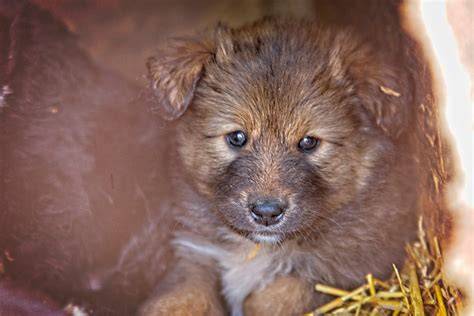
Dicséret és jutalmazás angolul
A kutya megdicsérésére gyakori kifejezés a Good boy/girl! - „Jófiú/Jólány!”. A You’re a good boy. jelentése: „Jófiú vagy!”. A Who’s a good boy? jelentése: „Na, ki a jófiú?”.
A who is rövid alakja a who’s. „Mindig azt kérdezik ‘Ki a jófiú?, Ki a jófiú?’ De nem mondják meg, hogy ki az.”
Kutyás szókincs angolul
A „kutya” angolul dog. A kutyatartáshoz és a kutyák mindennapi életéhez több gyakori kifejezés kapcsolódik.
| Magyar kifejezés | Angolul |
|---|---|
| kutyabarát étterem | dog-friendly restaurant |
| kutya menhely | dog shelter |
| kutya nyakörv | dog collar |
| kutyatál | dog bowl |
| kutyacsont | dog bone |
| kutyaeledel | dog food |
| kutyapóráz | dog leash |
| kutyasétáltatás | dog walking |
Kutyafajták angolul
| Magyar megnevezés | Angolul |
|---|---|
| keverék kutya | mixed breed dog |
| puli kutya | Poodle dog |
| magyar vizsla | Hungarian deerhound |
| angol bulldog | English bulldog |
Kutyás idiómák angolul
Az angol nyelvben számos állandósult kifejezésben szerepel a dog szó. Ezek jelentése gyakran nem szó szerinti, ezért érdemes az egész szerkezetet megtanulni.
Dog-eat-dog
A dog eat dog leginkább melléknévként, jelzői szerepben használatos szerkezet, néha kötőjelesen is írják: dog-eat-dog. Azt jelenti, hogy „ember az embernek farkasa” vagy hogy „a nagy hal megeszi a kis halat” - vagy valami olyasmit, amivel azt mondjuk, hogy törtetnek előre valakik és csak a saját hasznukat nézik, függetlenül attól, hogy másoknak ezzel ártanak.
(Ha jó a nyelvtantudásod, és szemfülesen azon morfondírozol, sajtóhiba-e, hogy nem eats szerepel a kifejezésben egyes szám 3. személy miatt, megnyugtatunk: így van a szerkezet helyesen, S nélkül.)
It’s a dog-eat-dog world out there on Wall Street. - A Wall Street-en farkastörvények uralkodnak.
Every dog has its day
Az Every dog has its day. közmondás, tehát így, mondatként tanuld meg. Meglehetősen gyakori használatú; akkor mondjuk, ha azt akarjuk kifejezni, mindenkinek van szerencsés időszaka, néha mindenki ér el sikereket, de ezzel együtt az illetőről azt feltételezzük, hogy általában azonban sikertelen.
He is a much better player than me but I may win, every dog has its day. - Sokkal jobban játszik, mint én, de ki tudja, még nyerhetek is, nekem is lehet szerencsém.
Az Every dog has its day. azt is jelenti: „mindenkinek eljön az ideje, mindenkinek van egy esélye valamikor”.
You may become famous someday. Every dog has his day. - Egyszer lehet, hogy még híres leszel. Mindenkinek eljön egyszer az ideje.
Go to the dogs
A go to the dogs szerkezetet valamilyen szervezetre, csoportra, gyakran országokra mondják - akkor, ha tönkremegy, romlik, lezüllik. Ha kutyásan akarjuk magyarul is kifejezni: ebek harmincadjára kerül.
We both came to the conclusion that the country was going to the dogs. - Mindketten arra a következtetésre jutottunk, hogy az ország a züllés útjára lépett.
The dirty dog
A the (dirty) dog emberre lehet mondani, olyan értelemben, mint a magyar „szemét, piszok, mocsok” szidalmat.
She yelled “You get away from me, you dirty dog”. - „Takarodj innen, te mocskos állat!” - ordítozta a lány.
To dog someone
A to dog someone igeként is használható, és akkor azt jelenti, feltartóztathatatlanul követi, nem hagyja nyugodni, például valamilyen kérdéssel. Leginkább az újságírókról szokták mondani, hogy ők üldözik így a kérdéseikkel a meginterjúvolandó személyt - de más hasonló szituációkra is nyugodtan használhatod.
Sőt, átvitt értelemben egy dolog, egy gondolat, egy eszme is tud így valakit üldözni.
The guy that was narrating the show kept dogging him. - A fickó, aki a műsort vezette, folyton piszkálgatta (zaklatta).
Bad luck is dogging me these days. - A balszerencse üldöz engem mostanában.
A dog’s life
Az a dog’s life kifejezés magyarul is mondjuk néha: kutyának való, kutya nehéz élet.
It was a dog’s life, this business of being a country doctor. - Kutya nehéz élet volt vidéki orvosként dolgozni.
A dog and pony show
A dog and pony show jelentése: „parasztvakítás”. Olyan bemutatót vagy eseményt jelent, amelyet azért szerveztek, hogy megszerezzék az emberek támogatását, vagy rávegyék őket valamire.
The two boxers nearly started a fight at the press conference. I know they hate each other, but it’s really just a dog and pony show to drum up interest in the fight. - A két bokszoló majdnem összeverekedett a sajtókonferencián. Tudom, hogy ki nem állhatják egymást, de igazából ez csak parasztvakítás, hogy felturbózzák az érdeklődést a meccs iránt.
As sick as a dog
Az as sick as a dog jelentése: nagyon beteg, nagyon rosszul érzi magát.
She was as sick as a dog after eating that strange clam-chowder. - Nagyon kutyául érezte magát miután megette azt a fura kagylólevest.
Barking dog never bites
A Barking dog never bites. jelentése: „Amelyik kutya ugat, az nem harap.” Olyan emberre mondjuk, aki állandóan fenyegetőzik, de ritkán hajtja végre a fenyegetéseit.
My boss threatens to fire me at least once a week, but a barking dog never bites. - A főnököm legalább hetente egyszer megfenyeget, hogy kirúg, de amelyik kutya ugat, az nem harap.
Be like a dog with two tails
A be like a dog with two tails jelentése: nagyon örülni, „örül, mint majom a farkának”.
Mike’s team won the match. Their manager was like a dog with two tails. - Mike csapata nyerte a meccset. A menedzserük úgy örült, mint majom a farkának.
Dog-tired
A dog-tired jelentése: nagyon fáradt.
He usually got home at around seven o’clock, dog-tired after a long day in the office. - Általában hét körül ért haza, hulla fáradtan egy hosszú, fárasztó nap után az irodában.
Done up like a dog’s dinner
A done up like a dog’s dinner olyan személyre használható, aki formális alkalomra próbált felöltözni, de a ruhája nevetségesen hat.
There she was, all dressed up like a dog’s dinner, in a ridiculous frilly shirt and a skirt that was far too short. - És akkor ott volt ő, nevetségesen kiöltözve egy röhejes fodros-bodros blúzban, és egy túlságosan is rövid szoknyában.
Fighting like cat and dog
A fighting like cat and dog jelentése: állandóan és hevesen veszekedni, „kutya-macska harc”.
The two sisters are always fighting like cat and dog. They never agree on anything. - A két nővér állandóan veszekszik. Soha nem értenek egyet semmiben.
We get on very well as adults but as kids we fought like cat and dog. - Felnőttként jól kijövünk egymással, de gyerekkorunkban állandóan veszekedtünk.
It’s raining cats and dogs
Az It’s raining cats and dogs! jelentése: szakad az eső, zuhog.
It’s raining cats and dogs out there! Don’t go out, unless you want to get soaked to the skin. - Szakad kint az eső! Ne menj ki, hacsak nem akarsz bőrig ázni.
Let sleeping dogs lie
A Let sleeping dogs lie! jelentése: „Ne keltsd fel az alvó oroszlánt!” Akkor használjuk, amikor nem akarunk problémát előidézni, illetve azt tanácsoljuk, hogy hagyjanak valamit érintetlenül, ha abból baj származhat.
‘Should I ask the boss if he’s upset at my coming in late in the mornings?’ ‘If he hasn’t said anything about it, just let sleeping dogs lie.’ - „Megkérdezzem a főnököt, hogy haragszik-e, hogy későn érek be reggelente?” „Ha eddig nem mondott semmit, akkor ne keltsd fel az alvó oroszlánt!”
Why keep a dog and bark yourself?
A Why keep a dog and bark yourself? jelentése: „Minek tartasz kutyát, ha te magad ugatsz?” vagy „Minek veszel igénybe egy szolgáltatást, ha megcsinálod úgyis?”.
‘The cleaning lady washes my floors every Wednesday, but I always wash them over again.’ ‘Don’t be silly, Ellen. Why keep a dog and bark yourself?’ - „A takarítónő minden szerdán felmos, de én mindig újra megcsinálom.” „Ne őrülj már meg, Ellen! Minek van kutyád, ha te ugatsz helyette?”
You can’t teach an old dog new tricks
A You can’t teach an old dog new tricks. azt jelenti, hogy nehéz rávenni valakit arra, hogy megváltoztassa a dolgok végzésének módját, ha hosszú ideje mindig ugyanúgy csinálja őket.
Magyarul: „Öreg kutyának nem tudsz új trükköt tanítani.”
’I have been trying to teach my dad to use the computer, but he is never going to get it.’ ’You can’t teach an old dog new tricks.’ - „Próbálom megtanítani apukámat a számítógép használatra, de nem fogja soha megérteni.” „Már túl idős hozzá, hogy új dolgokat tanuljon meg.”
Érdekességek a kutyákról
Despite how much time we spend with them, our dogs’ lives are still largely a mystery to us. What do they think? What do they feel? How much of what we say do they understand? While many of these questions are still the subject of study, some of them can be answered.
A kutyák szaglása rendkívül fejlett
Anybody can tell by observing their furry friend that they have a much closer relationship to smell than we do. But just how much more refined is this ability?
Dogs have 300 million olfactory receptors in their noses, while humans possess a humbling 6 million. Their sense of smell is so refined that they can detect substances at the density of one drop of liquid distributed within 20 Olympic-size swimming pools.
However, we win in the taste department, coming in at having a whopping 9,000 taste buds compared to our furry friends’ 1,700.
A kutyák féltékenyek lehetnek
A study from the University of Auckland has recently revealed that not only do dogs get jealous of their owners, they even have the ability to get jealous in scenarios they imagine between their owner and another dog.
A kutyák látnak bizonyos színeket
A commonly held belief among people today is that dogs can only see in shades of gray, but this is not the case. While dogs are unable to differentiate between shades of red and green, seeing both instead as shades of gray, they have the full ability to see shades of yellows and blues.
It is actually recommended that you use a blue ball when playing in a grassy field with your canine companion to help them differentiate between the ball and the grass.
A kutyasimogatás csökkentheti a vérnyomást
Recent studies published in the Journal of Behavioral Medicine show that not only is petting a dog pleasant emotionally, but it also has positive physical effects. Participants in the study had decreased blood pressure and heart rates when interacting with dogs, especially when cuddling with and petting these furry fellows.
Next time you feel that blood pressure rising, seek out your kind companion.
A kutyák élvezik a zenét
According to a study in the Journal of Veterinary Behavior, dogs in a kennel environment who were played classical music showed decreased anxiety and increased relaxation.
Further studies showed that dogs seem to prefer music that is between 50-60 BPM, so if you’re making the perfect playlist for your pup pal, stick to the slower songs.
A kutyák használhatják a metróhálózatot
Dogs in Moscow have been observed using the metro stations not just as shelter - but to navigate the city. Stray dogs will regularly take the subway to stops to find food, visit people, and sometimes just for fun.
Az ókori Rómában a kutyák páncélt viseltek
While now we dress our furry friends in sweaters and booties, in Ancient Rome, it was a different story. Roman War Dogs were often suited up in plate metal armor and spiked collars and sent to fight alongside their human compatriots.
The use of war dogs was not exclusive to Rome - many ancient civilizations, such as Assyria, Greece, and Sumer, used hounds of war as well.
A kutyák nagyjából egy kétéves gyermek szintjén értelmeznek
While every breed of dog is different, studies have shown that overall, dogs possess roughly the same level of cognition as a 2-year-old child.
Factors looked at while completing this study included spatial awareness, ability to understand language, and ability to understand basic math and numbers. Keep this in mind when interacting with your dog - they may know more than you think.
A világ egyik legrégebbi ismert kutyafajtája
The oldest known breed of domesticated dog, the Saluki, has existed since at least 329 B.C., with evidence that it existed as long ago as 2100 B.C.
Salukis were kept by nearly every civilization in the ancient Middle East, including Egypt, Persia, and many of the nomadic Arab groups. However, their introduction to the English-speaking world is rather recent, with the first Saluki being brought into England as recently as the 1840s.
A kutyáknak van időérzékük
If you’re a dog owner, you probably noticed your canine friend starting to feel impatient when it’s getting close to their mealtime. Dogs have an internal mechanism, called circadian rhythm, that helps them tell the time; such that they know when they’re supposed to receive their food or when their owners are about to arrive home, even if their routine is disrupted.
Kutyás dalok és mondókák angolul
A kutyás dalok és mondókák játékos módon segíthetnek az angol szavak és egyszerű mondatok gyakorlásában.
Call the Puppy
Call the Puppy!! - Hívjuk a kutyát, fütyülünk.
Give him some milk - Adunk neki inni.
Brush his coat til it shines like silk - Úgy teszünk, mintha kefélnénk a bundáját.
Call the Puppy - Hívjuk a kutyát.
Give him a bone. - Csontot adunk neki.
Then scoop him up - Felemeljük.
And take him home. - Hazavisszük.
Five Little Puppies
Five little puppies were playing in the sun. - Felmutatjuk kezünket, ujjaink nyújtva.
This one saw a rabbit, and he began to run. - Behajlítjuk az kisujjunk.
This one saw a butterfly, and he began to race. - Behajlítjuk a gyűrűsujjunk.
This one saw a cat, and he began to chase. - Behajlítjuk a középső ujjunk.
This one tried to catch his tail, and he went round and round. - Behajlítjuk a mutatóujjunk.
This one was so quiet, he never made a sound. - Behajlítjuk a hüvelykujjunk.
Dogs in the Dirt
Ten little doggies went out one day - Felmutatjuk a 10 ujjunkat.
To dig in the dirt and play, play, play - Úgy teszünk, mintha ásnánk.
Five were spotted, and five were not, - Egyik kezünket mutatjuk.
and at dinner time they ate a lot! - Úgy teszünk, mintha ennénk.
My Dog Ben
I had a little doggy that used to sit and beg,
But Doggy tumbled down the stairs and broke his little leg.
Oh, Doggy, I will nurse you, and try to make you well,
And you shall have a collar with a little silver bell.
Ah, Doggy, don’t you think that you should very faithful be
For having such a loving friend to comfort you as me?
And when your leg is better, and you can run and play,
We’ll have a scamper in the fields and see them making hay.
But, Doggy, you must promise (and mind your word you keep)
Not once to tease the little lambs, or run among the sheep.
And then the little yellow chicks that play upon the grass,
You must not even wag your tail to scare them as you pass.
There Was a Little Dog
There was a little dog,
And he had a little tail,
And he used to wag, wag, wag it.
But when he was sad,
Because he had been bad,
On the ground he would drag, drag, drag it.
Doggy in the Window
How much is that doggy in the window?
The one with the waggley tail.
How much is that doggy in the window?
I do hope that doggy’s for sale.
I must take a trip to California
And leave my poor sweetheart alone.
If he has a dog, he won’t be lonesome
And the doggy will have a good home.
How much is that doggy in the window?
The one with the waggley tail.
How much is that doggy in the window?
I do hope that doggy’s for sale.
I read in the paper there are robbers
With flashlights that shine in the dark.
My love needs a doggy to protect him
And scare them away with one bark.
I don’t want a kitty or a bunny
I don’t want a parrot that talks.
I don’t want a bowl of little fishies
He can’t take a goldfish for a walk.
How much is that doggy in the window?
The one with the waggley tail.
How much is that doggy in the window?
I do hope that doggy’s for sale
I do hope that doggy’s for sale.
További kutyás dalcímek
- BINGO
- Puppy
- Old Mother Hubbard