Az angol passive voice, magyarul szenvedő szerkezet, akkor használatos, amikor nem a cselekvés végzője a fontos, hanem maga a cselekvés, annak eredménye, vagy az a személy és tárgy, amelyre a cselekvés irányul. A szenvedő mondat alanya nem végzi, hanem elszenvedi a cselekvést.
A szenvedő szerkezetet akkor használjuk, amikor a cselekvés végzője ismeretlen, nem fontos, vagy egyértelmű. A szenvedő szerkezet nem egy külön igeidő, hiszen nem azt mutatja meg, hogy egy cselekvés mikor történt, hanem az alany és a cselekvés közötti viszonyt.
Mikor használjuk a passive voice-t?
A cselekvés végzője ismeretlen, nem fontos vagy egyértelmű. Például a My car was stolen. mondatban nem tudjuk, hogy ki lopta el az autót, ezért a cselekvés végrehajtója nem jelenik meg a mondatban.
A The food is kept in a fridge. mondatban nem lényeges, hogy ki tartja az ételt hűtőben. A The robber was arrested last week. mondatban pedig egyértelmű, hogy a rendőrség tartóztatta le a rablót.
- My car was stolen. - Ellopták a kocsimat.
- The food is kept in a fridge. - Az ételt hűtőben tartják.
- The robber was arrested last week. - Letartóztatták a rablót.
A szenvedő szerkezetet akkor is használjuk, amikor a mondat alanya a hangsúlyos, amit a mondat végére helyezett alannyal szeretnénk kihangsúlyozni. Az angolban, ahogy a magyarban is, a lényeges információ gyakran a mondat elején van.
A Bill Gates and Paul Allen founded Microsoft in 1975. mondatban a két alapító a hangsúlyos. A Microsoft was founded by Bill Gates and Paul Allen in 1975. mondatban viszont a cég és az alapítás a hangsúlyos információ.
- Bill Gates and Paul Allen founded Microsoft in 1975. - Gates és Allen alapították a Microsoftot.
- Microsoft was founded by Bill Gates and Paul Allen in 1975. - A Microsoftot Gates és Allen alapította.
A passive voice alapképlete
A szenvedő szerkezet az angol nyelvben két részből áll: a to be megfelelő alakja és a főige past participle alakja, vagyis harmadik alakja.
BE megfelelő igeidőben + az ige harmadik alakja
A létigét a megfelelő igeidőbe kell tennünk. Például egyszerű múltban was vagy were, egyszerű jelenben am, is vagy are, Present Perfectben pedig has been vagy have been szerepel.
A szenvedő szerkezetben a létige mutatja meg, mikor történik vagy történt a cselekvés, míg a főige mindig harmadik alakban marad.
Aktív mondat átalakítása passzív mondattá
Az aktív mondat tárgyából lesz a passzív mondat alanya. A be felveszi a cselekvő mondat igeidejét, a főige pedig harmadik alakba kerül.
- A cselekvő mondat tárgyából lesz a szenvedő mondat alanya.
- A be felveszi a cselekvő mondat igeidejét.
- A főige harmadik alakba kerül.
- A cselekvő személy a mondat végén, a by segítségével nevezhető meg.
Ügyeljünk arra, hogy a passzív mondat állítmányában szereplő létigét nem az aktív mondat alanyához igazítva ragozzuk, hanem a passzív mondat alanyához.
Alapvető példák
- They repaired the door yesterday. → The door was repaired yesterday.
- They built this house last year. → This house was built last year.
- A politician drove the car. → The car was driven by a politician.
Az aktív mondatban a they, illetve az a politician végzi a cselekvést, míg passzív mondatban a tárgy, vagyis az ajtó, a ház és az autó kerül a mondat elejére és válik nyelvtani alannyá.
Mi történik a by szerkezettel?
Természetesen a passive mondat végére odatehetjük a cselekvés elvégzőjét is a by elöljáró használatával.
Ha tudjuk, ki hajtotta végre a cselekvést, és érdeklődünk is iránta, mindig jobb az aktív szerkezetet használni a szenvedő helyett. A by szerkezet akkor különösen hasznos, ha a cselekvés végrehajtója fontos információ.
- “A Hard Day's Night” was written by the Beatles. - The Beatles wrote “A Hard Day's Night”.
- The movie ET was directed by Spielberg. - Spielberg directed the movie ET.
- This house was built by my father. - My father built this house.
Ha a cselekvés végzője nem fontos, ismeretlen vagy egyértelmű, általában nem tesszük ki a by szerkezetet.
- Your luggage was stolen. - Ellopták a poggyászodat.
- My test will be graded. - Leosztályozzák a dolgozatomat.
- The perpetrators were caught. - Elkapták az elkövetőket.
Ha mégis pontosítani szeretnénk a cselekvő személyét vagy csoportját, a by + cselekvő szerkezetet használjuk.
- My test will be graded by the teacher. - A tanár leosztályozza a dolgozatomat.
- The perpetrators were caught by the local mafia. - A helyi maffia elkapta az elkövetőket.
A passzív szerkezet igeidők szerint
| Igeidő | Cselekvő mondat | Szenvedő mondat | A szenvedő képzése |
|---|---|---|---|
| Present Simple | They train soldiers. | Soldiers are trained by the army. | am/is/are + past participle |
| Past Simple | They repaired the toy. | The toy was repaired. | was/were + past participle |
| Future Simple | They will delay the meeting. | The meeting will be delayed. | will + be + past participle |
| Present Continuous | They are teaching the children. | The children are being taught. | am/is/are + being + past participle |
| Past Continuous | They were preparing dinner. | Dinner was being prepared. | was/were + being + past participle |
| Present Perfect | They have stopped the match. | The match has been stopped. | has/have + been + past participle |
| Past Perfect | My mother’s colleagues had visited her in the hospital. | My mother had been visited in the hospital by her colleagues. | had + been + past participle |
| Future Perfect | They will have finished the construction by the end of the month. | The construction will have been finished by the end of the month. | will + have + been + past participle |
Present Simple Passive
A Present Simple passive képzése: am/is/are + past participle. Ezt általános tények, folyamatok, rendszeresen ismétlődő cselekvések és gyártási folyamatok leírására használjuk.
- Coffee is grown in Brazil.
- Rice is grown in many warm countries.
- This bridge is repaired every five years.
- New cars are tested before they are sold.
- The food is kept in a fridge.
Tagadó alakban a not a létige után áll.
- These phones are not made in this factory.
Kérdő mondatban a létige kerül a mondat elejére.
- Is this cheese made locally?
Past Simple Passive
A Past Simple passive képzése: was/were + past participle. Ezt egy konkrét, befejezett múltbeli cselekvés kifejezésére használjuk, különösen akkor, ha a cselekvő nem fontos vagy ismeretlen.
- The machine was tested in 1945.
- The telephone was invented in 1876.
- The letter was never sent.
- The robber was arrested last week.
- Velcro was patented in 1955.
Tagadó alakban a not a was vagy were után áll.
- The prize was not given to her.
Kérdő mondatban a was vagy were kerül a mondat elejére.
- Was Velcro invented in Switzerland?
Folyamatos szenvedő szerkezet
Előfordulhat, hogy egy folyamatos szerkezetű mondatot szeretnénk szenvedő szerkezetűvé alakítani. Az eljárás azonos marad, mindössze a szerkezet változik annyiban, hogy beteszünk az állítmányba egy being szót.
Folyamatos jelenben a szerkezet: am/is/are + being + past participle. Folyamatos múltban: was/were + being + past participle.
- Tom is opening the door. → The door is being opened by Tom.
- Tom was opening the door. → The door was being opened by Tom.
- They are teaching the children. → The children are being taught.
- They were preparing dinner. → Dinner was being prepared.
Ha folyamatos igeidőt teszel szenvedőbe, akkor a being soha nem maradhat ki, viszont a főigéd soha nem lesz folyamatosban. Szenvedő szerkezet használatakor a főige mindig past participle, vagyis harmadik alakban áll.
Present Perfect Passive
Present Perfect esetén a szerkezet: has/have + been + past participle.
- Tom has opened the door. → The door has been opened by Tom.
- They have stopped the match. → The match has been stopped.
- My car has been stolen. - Ellopták a kocsimat.
- All the cookies have been eaten. - Az összes süteményt megették.
Past Perfect Passive
Past Perfect esetén a szerkezet: had + been + past participle.
- Tom had opened the door. → The door had been opened by Tom.
- My mother’s colleagues had visited her in the hospital. → My mother had been visited in the hospital by her colleagues.
Jövő idő és módbeli segédigék
Future Simple-ben a szerkezet: will + be + past participle. Jövő időben a will nem maradhat le.
- Tom will open the door. → The door will be opened by Tom.
- The meeting will be delayed.
- The construction will have been finished by the end of the month.
A szenvedő szerkezetet módbeli segédigékkel is használhatjuk. Ilyenkor a módbeli segédige után a be + past participle szerkezet következik.
- Tom can open the door. → The door can be opened by Tom.
- Tom should open the door. → The door should be opened by Tom.
- Tom must open the door. → The door must be opened by Tom.
- You have to be tested on your English grammar.
- John might be promoted next year.
- She wants to be invited to the party.
- I expect to be surprised on my birthday.
- You may be disappointed.
A passzív szerkezet tagadása és kérdő alakja
A to be alakját tagadjuk, ezért a not a létige után kerül. A főige harmadik alakja változatlan marad.
| Alak | Egyes szám | Többes szám |
|---|---|---|
| Állító | The house was built in 1899. | These houses were built in 1899. |
| Tagadó | The house wasn't built in 1899. | These houses weren't built in 1899. |
| Kérdő | Was the house built in 1899? | Were these houses built in 1899? |
| Tagadó kérdő | Wasn't the house built in 1899? | Weren't these houses built in 1899? |
Milyen igékből képezhető passive?
Szenvedő szerkezetű mondatot kizárólag olyan aktív mondatokból lehet képezni, amelyek állítmányában egy kifejtett tárggyal álló tárgyas ige található, különben a passzív mondatnak nem lenne alanya, ami az angolban megengedhetetlen.
Bármilyen igeidejű mondatot átalakíthatunk szenvedő szerkezetűvé, amennyiben van benne kifejtett tárgy. A szenvedő alakja csak a tárgyas igéknek lehet.
Az olyan igék, amelyeknek nincs tárgyuk, nem alakíthatók át közvetlenül passzív szerkezetté, mert nem lenne olyan mondatrész, amely a passzív mondat alanyává válhatna.
Infinitive és gerundium passzív szerkezettel
Az infinitív szenvedő szerkezetet modális igék után használjuk, illetve a legtöbb olyan ige után, amelyiket általában egy főnévi igenév követ.
- You have to be tested on your English grammar.
- John might be promoted next year.
- She wants to be invited to the party.
- I expect to be surprised on my birthday.
- You may be disappointed.
A gerundiumot prepozíciók után használjuk, illetve a legtöbb olyan ige után, amelyiket általában a gerundium követ.
- I remember being taught to drive.
- The children are excited about being taken to the zoo.
- The children are excited to be taken to the zoo.
- Most film stars hate being interviewed.
- Most film stars hate to be interviewed.
- Poodles like to be pampered.
- Poodles like being pampered.
A „to be born” használata
A to be born egy szenvedő alak, amelyet leggyakrabban múlt időben használunk. Egyes esetekben azonban a jelen vagy a jövő idő a megfelelő.
- I was born in 1976.
- Where were you born?
- Around 100 babies are born in this hospital every week.
- We don't know on exactly which day the baby will be born.
Get és have a passive helyett
Néha úgy formáljuk a szenvedő szerkezetet, hogy a to get vagy a to have igéket használjuk a to be helyett. A szenvedő szerkezet alternatív formái különösen akkor fordulhatnak elő, amikor valaki valamilyen szolgáltatást végeztet el magán, vagy amikor egy változás bekövetkezését hangsúlyozzuk.
„Állítólag” szenvedő szerkezettel
Olyan mondatot, amelyben szerepel az „állítólag” kifejezés, kétféleképpen, az allegedly vagy supposedly kifejezéssel, illetve egyfajta szenvedő szerkezettel tudunk angolul megfogalmazni.
Az „állítólag” szerkezet egyik változatában a személy válik a passzív mondat alanyává, majd infinitív követi a to be alakot.
- Peter was said to be kind. - Azt mondták Peterről, hogy kedves.
- Peter was told to be kind. - Azt mondták Peternek, hogy legyen kedves.
Vigyázzunk, hogy ne keverjük a was said szerkezetet a was told szerkezettel. A was said jelentése az, hogy „azt mondták róla”, míg a was told azt jelenti, hogy „azt mondták neki”.
Passive hivatalos és formális szövegekben
Hivatalosabb szövegekben a szenvedő szerkezetet gyakran használjuk, mivel kevésbé személyes hangzású. A szenvedő szerkezet gyakran fordul elő tudományos publikációkban, akadémikus írásokban, hírekben, utasításokban, termékleírásokban és múzeumi feliratokon.
Az akadémikus írásra nagyon is jellemző a szenvedő szerkezet bőséges használata. Ezáltal az iromány komolyabb, kimértebb lesz, és a szerző egy kicsivel távolabb helyezi magát a saját gondolataitól és kutatásaitól.
- The results were published in 2008. - Az eredményeket 2008-ban publikálták.
- Then, the research questions will be formulated. - Azután a kutatási kérdések meg lesznek formálva.
- A great deal of meaning is conveyed by a few well-chosen words.
- Our planet is wrapped in a mass of gases.
- Waste materials are disposed of in a variety of ways.
A cselekvő forma gyakran tisztábbá és könnyebben olvashatóvá teszi az írást, különösen akkor, ha a cselekvés végrehajtója fontos vagy a mondat könnyebben érthetővé válik tőle.
- A few well-chosen words convey a great deal of meaning.
- A mass of gases wrap around our planet.
- The city disposes of waste materials.
Present és Past Passive összehasonlítása
A Present Passive általában jelenlegi, általános vagy rendszeresen ismétlődő tényt fejez ki, míg a Past Passive egy meghatározott múltbeli pillanathoz vagy befejezett eseményhez kapcsolódik.
- is used - ma, általában használják
- was patented - egy korábbi időpontban szabadalmaztatták
- am/is/are + past participle - Present Passive
- was/were + past participle - Past Passive
A segédige változik az idővel, a past participle azonban ugyanaz marad.
Passive voice a találmányok és gyártási folyamatok leírásában
A szenvedő szerkezet különösen gyakori akkor, amikor találmányok történetéről, gyártási folyamatokról és mindennapi tárgyak előállításáról beszélünk. Ilyenkor gyakran maga a tárgy, a folyamat vagy az eredmény fontosabb, mint az, hogy pontosan ki végezte az egyes lépéseket.
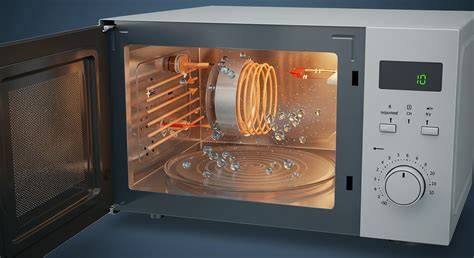
Happy Accidents: How Some Everyday Things Were Invented
Not every invention starts with a careful plan. Sometimes something completely different is created by accident, and the result changes daily life forever.
In 1945, an American engineer named Percy Spencer was testing military equipment called a magnetron. Halfway through the test, he noticed something strange: a chocolate bar in his pocket had melted.
A bag of popcorn was placed near the machine, and within seconds it popped all over the table. Today, the microwave oven is used in millions of kitchens around the world, and simple meals are heated in minutes instead of hours.
A similar story lies behind Velcro. In the late 1940s, a Swiss engineer called George de Mestral went for a walk in the mountains with his dog.
When he got home, small burrs were found stuck to his socks and to the dog's fur. Under a microscope, tiny hooks were noticed on each burr, catching onto loops of fabric.
The idea was developed over several years, and hook-and-loop fastener was patented in 1955. Now Velcro is manufactured in huge quantities, and it is fitted to shoes, bags and even space suits.
These two stories show that useful objects are not always designed on purpose. Many everyday items were invented because someone paid close attention to a strange result instead of dismissing it.
A történet passzív szerkezetei
- something completely different is created by accident
- A bag of popcorn was placed near the machine
- the microwave oven is used in millions of kitchens
- simple meals are heated in minutes
- small burrs were found stuck to his socks
- tiny hooks were noticed on each burr
- The idea was developed over several years
- hook-and-loop fastener was patented in 1955
- Velcro is manufactured in huge quantities
- it is fitted to shoes, bags and even space suits
- Many everyday items were invented
Egy másik példa: a post-it jegyzetek története
In 1968, a scientist called Spencer Silver was trying to create a very strong adhesive at the company 3M. Instead, a strange, weak glue was produced.
It stuck to surfaces, but it could also be peeled off easily, without leaving a mark. At first, this failure was put aside and almost forgotten.
Several years later, a colleague named Arthur Fry was singing in a church choir. His paper bookmarks kept falling out of his hymn book, and he remembered Silver's strange glue.
A thin strip of the adhesive was added to small pieces of paper, and a new product was born. Today, these little sticky notes are used in offices, schools and homes all over the world.
Millions of them are produced every single day, and the idea is still considered one of the most famous useful mistakes in modern business history.
Hasznos szókincs a passive voice témájához
| Angol szó vagy kifejezés | Angol jelentés | Magyar jelentés |
|---|---|---|
| to invent | to design or create something for the first time | feltalál |
| accident | something that happens by chance, without being planned | véletlen |
| to patent | to get official legal protection for an invention | szabadalmaztat |
| to manufacture | to make goods in large numbers, usually in a factory | gyárt |
| engineer | a person who designs or builds machines, structures or systems | mérnök |
| curious | interested in learning about something | kíváncsi |
| to melt | to change from solid to liquid because of heat | megolvad / megolvaszt |
| hook | a curved piece of metal or plastic used for catching or holding something | horog / kampó |
| fastener | a device used to join two things together | rögzítő / kapocs |
| to discover | to find something for the first time | felfedez |
| quantity | an amount of something | mennyiség |
| adhesive | a substance used to stick things together; glue | ragasztóanyag |
Kiejtési megjegyzések
Több, a passive voice témájához kapcsolódó szóban a hangsúly és a past participle végződése is figyelmet igényel.
- invented /ɪnˈventɪd/ - a második szótagon van a hangsúly: in-VEN-tid
- patented /ˈpeɪtntɪd/ - az első szótagon van a hangsúly: PAY-tuhn-tid
- engineer /ˌendʒɪˈnɪə/ - az utolsó szótagon van a hangsúly: en-jin-EAR
- curious /ˈkjʊəriəs/ - három szótag: KYOOR-ee-uhs
- manufactured /ˌmænjuˈfæktʃəd/ - a harmadik szótagon van a hangsúly: man-yoo-FAC-churd
- accident /ˈæksɪdənt/ - az első szótagon van a hangsúly: AC-si-dent
- discovered /dɪˈskʌvəd/ - a második szótagon van a hangsúly: dis-CUV-erd
Gyakori hibák passive voice használatakor
A legfontosabb szabály, hogy a főige mindig past participle, vagyis harmadik alakban áll. A létige viszont az adott igeidőhöz igazodik, és a passzív mondat alanyával egyezik számban.
- This coffee grow in Colombia. → This coffee is grown in Colombia.
- The car was invent in the nineteenth century. → The car was invented in the nineteenth century.
- New phones are testing in this lab. → New phones are tested in this lab.
- The letter were not sent yesterday. → The letter was not sent yesterday.
Folyamatos passzívban a being használata kötelező, befejezett igeidőkben pedig a has/have/had + been szerkezetet kell alkalmazni.
Gyakorló mondatok
Alakítsd át a mondatokat passzívvá!
- They left me at home.
- They took the child to the cinema.
- Somebody stopped the train.
- Nobody saw him in the street.
- One uses chalk for writing on the board.
- People speak English in many different parts of the world.
- They built this hospital two years ago.
- Does anyone play football in Japan?
- People don’t play cricket in winter in England.
- The waitress brought in the coffee.
- They didn’t invite us to the birthday party.
- Buses take them home in the evening.
- They ate up all the cakes yesterday.
- They make cars and bicycles in this town.
- He promised me a book.
Present vagy Past Passive?
- This chocolate is made in Belgium every day.
- The telephone was invented by Alexander Graham Bell in 1876.
- These shoes are produced in a small factory near here right now.
- The Velcro fastener was patented in 1955.
- Millions of emails are sent every single minute today.
Aktív mondatok passzív átalakítása
- Percy Spencer discovered the microwave oven by accident. → The microwave oven was discovered by accident by Percy Spencer.
- Workers make thousands of phones in this factory every day. → Thousands of phones are made in this factory every day.
- Someone tests every product before it leaves the factory. → Every product is tested before it leaves the factory.
- A chef prepares this dish with fresh vegetables. → This dish is prepared with fresh vegetables.
Egészítsd ki a mondatokat is, are, was vagy were alakokkal!
- This cheese is made in a small village in France.
- The first Velcro samples were tested in the 1950s.
- New employees are trained every month at this company.
- The prize was not announced until midnight last night.
Passzív szerkezet magyar és angol összehasonlításban
A szenvedő szerkezetet magyarul sokkal ritkábban használjuk, mint angolul. Magyarban gyakran természetesebb az aktív, személytelen vagy általános alanyú megfogalmazás.
A A ház fel lesz építve. mondat szenvedő szerkezetet példáz, de magyarul természetesebben hangzik a Fel fogják építeni a házat. megfogalmazás.
Az angolban viszont nagyon gyakori a passive voice, különösen akkor, amikor a tárgy, a folyamat vagy az eredmény fontosabb, mint a cselekvés végrehajtója.
Az angol szenvedő szerkezet gyakorlásához érdemes először megkeresni az aktív mondat tárgyát, majd ezt a mondat elejére helyezni, végül pedig a megfelelő igeidőben beilleszteni a be alakját és az ige harmadik alakját.