Ha külföldön meghibásodik az autó, angolul kell elmagyarázni a szerelőnek a problémát, rákérdezni a javítás várható idejére és költségére, valamint egyeztetni az autó leadásáról. A legfontosabb kommunikációs cél, hogy pontosan leírjuk a hibajelenséget, és csak olyan javítást engedélyezzünk, amelynek szükségességét és várható árát megértettük.
A szerelőműhelyben használható angol kifejezések a gumiabroncsok, a fékek, a motor, a műszerfal jelzései, az olajcsere, a karbantartás, a diagnosztika és a fizetés témakörét is lefedik. Az alábbi szókincs és párbeszéd középfokú szóbeli vizsgára, utazásra és valódi autós vészhelyzetre egyaránt alkalmas.
Alapvető angol szókincs az autó részeihez
| Angol kifejezés | Magyar jelentés |
|---|---|
| tyre | gumiabroncs |
| spare tyre | pótkerék |
| tread | gumiabroncs futófelülete |
| mud flaps | sárvédő gumi |
| jack | emelő |
| jumper cables | indítókábel |
| boot | csomagtartó |
| bonnet | motorháztető |
| license plate | rendszámtábla |
| bumper | lökhárító |
| headlight | fényszóró |
| tail light | hátsó lámpa |
| brake light | féklámpa |
| body | karosszéria |
| petrol tank | üzemanyagtartály |
| door | ajtó |
| window | ablak |
| windscreen wipers | ablaktörlők |
| mirror | tükör |
| indicator | irányjelző |
| horn | duda |
| brakes | fékek |
| steering wheel | kormánykerék |
| dashboard | műszerfal |
| fuel gauge | üzemanyagszint-jelző |
| warning light | figyelmeztető lámpa |
| speedometer | sebességmérő |
| odometer | kilométeróra |
| seat | ülés |
| seat belt | biztonsági öv |
| exhaust pipe | kipufogócső |
Motor- és műszaki alkatrészek angolul
| Angol kifejezés | Magyar jelentés |
|---|---|
| electrics | elektromos rendszer |
| axle | tengely |
| roof rack | tetőcsomagtartó |
| cylinder block | hengerblokk |
| cylinder head | hengerfej |
| piston | dugattyú |
| valves | szelepek |
| radiator | hűtő |
| water pump | vízpumpa |
| carburettor | karburátor |
| decompressor | dekompresszor |
| engine | motor |
| dipstick | olajszintmérő pálca |
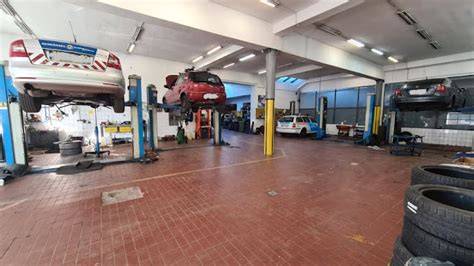
A szerelőműhelyben használható legfontosabb szavak
| Angol kifejezés | Magyar jelentés |
|---|---|
| oil change | olajcsere |
| maintenance | karbantartás |
| overcharge | túlszámlázás |
| inspection | ellenőrzés, vizsgálat |
| diagnose | hibát megállapítani, diagnosztizálni |
| warranty | garancia |
| labour charge | munkadíj |
| accident | baleset |
| adjustment | beállítás |
| anchorage | rögzítés |
| lubricant | kenőanyag |
| malfunction | működési hiba |
| fault | hiba |
| flat tyre | defektes gumiabroncs |
| service | szerviz, karbantartás |
| to break down | lerobbanni, meghibásodni |
| to fix | megjavítani |
Hasznos mondatok a hiba bejelentéséhez
Az első lépés a tünetek világos ismertetése. Nem szükséges pontosan megnevezni a meghibásodott alkatrészt, ha nem tudjuk, mi romlott el; elegendő a hangot, a mozgást, a műszerfali jelzést vagy a motor viselkedését leírni.
- Could you change the tyre?
- The car is making a strange noise.
- Could you check if something is wrong?
- A light on the dashboard came on.
- Could you verify what it is?
- A headlight bulb has burnt out.
- Could you replace it?
- Could you help me top up the radiator with water?
- I need to inflate the tyres.
A fékekkel kapcsolatos panaszok
Well, a couple of things: when I put on my brakes I hear a loud screech and my steering wheel shakes.
Ez a mondat két fontos tünetet tartalmaz: fékezéskor hangos nyikorgás hallható, miközben remeg a kormánykerék. A szerelőnek érdemes azt is elmondani, hogy a jelenség mindig vagy csak időnként jelentkezik-e.
A motor leállásának leírása
Almost every time I stop at a red light or stop sign, the engine dies.
So, when you turn the key - you know…start the car - does it start up right away?
Tell me this: when you slow down just before stopping, does it idle smoothly or shake a little?
Ha nem értünk az autókhoz
I have to admit, I really don’t know anything about cars - you know I get in, turn the key on, turn the radio on and just go.
Az autó műszaki részleteinek nem ismerete önmagában nem akadály, de fontos, hogy a rendelkezésünkre álló tapasztalatokat pontosan mondjuk el. Ilyenkor segítséget jelenthet például annak megemlítése, hogy mikor kezdődött a hiba, milyen körülmények között jelentkezik, és világít-e valamilyen jelzés a műszerfalon.
Mintapárbeszéd: autó leadása a szerelőműhelyben
Az alábbi párbeszédben a jármű tulajdonosa két hibát jelez: fékezéskor hangos nyikorgást hall, a kormánykerék pedig remeg, továbbá a motor gyakran leáll piros lámpánál vagy stoptáblánál.
Első változat: részletes és együttműködő kommunikáció
Customer: Hello. I am Mary and I’m having a problem with my car.
Mechanic: Hi, Mary. I’m Butch. What’s your problem?
Customer: Well, a couple of things: when I put on my brakes I hear a loud screech and my steering wheel shakes.
Mechanic: OK. We’ll put your car up on the lift and check your brakes. What else?
Customer: Well, this is a pain! Almost every time I stop at a red light or stop sign, the engine dies.
Mechanic: So, when you turn the key - you know…start the car - does it start up right away?
Customer: Usually.
Mechanic: Tell me this: when you slow down just before stopping, does it idle smoothly or shake a little?
Customer: Oh, gosh. I don’t remember that. I have to admit, I really don’t know anything about cars - you know I get in, turn the key on, turn the radio on and just go. Oh, yeah… seatbelt, of course (ha ha)!
Mechanic: That’s ok, Mary. That’s what we do - most people aren’t much better than you.
Mechanic: When can you leave the car? This may take 2 - 3 hours depending upon what we find.
Customer: I need my car by 12:30 every day, so any morning would work.
Mechanic: Good. We are really busy this week. How about next Wednesday? Can you have it here by 8:00 AM or the night before?
Customer: Yes. Maybe the night before at 5 - 6 PM.
Mechanic: Good. Let’s get your name and contact information… phone on the Wednesday morning schedule.
Customer: Wait. How much is this going to cost me?
Mechanic: As you might appreciate, until we get in there I can’t give you an accurate quote.
Mechanic: The brakes could go from $200 to $400. The engine stall could be simple or take more parts and labor.
Mechanic: How about when we check things out I’ll give you a call Wednesday morning with a pretty close quote.
Mechanic: I would suggest the brake is more critical. You can decide then.
Mechanic: By the way, my dad started this business. I’ve been here since I was a kid.
Customer: That’s good. How do I pay you?
Mechanic: Credit card, debit or cash. No personal checks. OK?
Customer: OK. I’ll talk with you Wednesday and I’ll drop the car off Tuesday evening.
A párbeszéd legfontosabb kommunikációs elemei
A hibák felsorolása
A a couple of things kifejezés jelentése: „néhány dolog”, „két probléma”. A when I put on my brakes azt jelenti, hogy „amikor fékezek”, a my steering wheel shakes pedig azt, hogy „remeg a kormánykerekem”.
Az autó vizsgálatának egyeztetése
We’ll put your car up on the lift and check your brakes.
Ez azt jelenti, hogy a szerelő emelőre teszi az autót, majd ellenőrzi a fékeket. A check itt azt jelenti, hogy megvizsgálni vagy ellenőrizni, míg a lift a műhelyben használt emelőberendezés.
A javítás időtartama
This may take 2 - 3 hours depending upon what we find.
A depending upon what we find szerkezet arra utal, hogy a javítás időtartama a vizsgálat eredményétől függ. Ilyen helyzetben hasznos kérdés lehet:
- Can you tell me when it will be ready?
- How long will the inspection take?
- When can I collect the car?
A javítás várható költsége
How much is this going to cost me?
As you might appreciate, until we get in there I can’t give you an accurate quote.
A quote előzetes árajánlatot jelent. A szerelő azt magyarázza, hogy a pontos ár csak az autó átvizsgálása után állapítható meg.
- How much does an oil change cost?
- Can I get an estimate?
- Will you call me before doing any extra work?
- Is the labour charge included?
- Are the parts included in the price?
A fizetési módok egyeztetése
How do I pay you?
Credit card, debit or cash. No personal checks. OK?
A párbeszédben a műhely hitelkártyát, bankkártyát vagy készpénzt fogad el, személyes csekket azonban nem.
Második mintapárbeszéd: miért fontosak a pontos kérdések?
A következő változatban a szerelő sokkal gyorsabban állapít meg hibákat, miközben nem ad világos tájékoztatást az árról, a javításról és az autó átvételének időpontjáról. Ez a helyzet jól szemlélteti, miért kell kérdéseket feltenni, mielőtt engedélyezzük a javítást.
Customer: Hello, I’m Mary and I’m having a problem with my car.
Mechanic: Hi. What’s up?
Customer: What do you mean?
Mechanic: Well, you came here. What’s your problem?
Customer: Well, a couple of things: when I put on my brakes I hear a loud screech and my steering wheel shakes.
Mechanic: OK. We’ll put your car up on the lift and check your brakes. What else?
Customer: Well, this is a pain! Almost every time I stop at a red light or stop sign, the engine dies.
Mechanic: OK. Sounds like you need new brakes and brake rotors. The engine may need a tune up including new plugs.
Customer: Really? All that?
Mechanic: Maybe. Where’s the car?
Customer: Right out there.
Mechanic: First thing I see - you need at least 2 new tires up front. They’re dangerous. Who knows what we’ll find with the stalling deal.
Mechanic: When can you drop off the car?
Customer: Any morning, but I’ll need it back by 12:30.
Mechanic: Well, that’s hard to guarantee.
Customer: How do I know your bill? Can I get an estimate?
Mechanic: That’s touchy, but you know once we take everything apart, there will be a labor fee, but you can’t drive with bad brakes. May it will be $400 to $500 for that alone.
Customer: Tomorrow then.
Mechanic: We are not too busy right now.
Customer: Don’t you want my name and phone number?
Mechanic: Oh, yeah. Good idea.
Customer: By the way… cash only.
Customer: How long have you had this garage here? I don’t remember seeing you.
Mechanic: Been here for months. I’ve been a great mechanic for years.
Customer: Tomorrow then… leave it now??
Mechanic: I’ll have to check my schedule. I’ll call you when I’m ready.
Customer: Can you give me your name and phone number?
Customer: Thanks for your time.
A szerelő válaszainak értékelése angolul
Ha bizonytalanok vagyunk a javítás szükségességében, célszerű visszakérdezni, pontosítani és előzetes árajánlatot kérni. A szerelő állítása önmagában nem mondja meg, hogy melyik alkatrész hibás, ezért a tünetek és a vizsgálat eredménye közötti kapcsolatot is tisztázni kell.
- What makes you think I need new brakes?
- Could you show me what is wrong?
- Which part needs to be replaced?
- Is this repair urgent?
- Can the car be driven safely?
- Do I need to replace both tyres?
- Are the brake rotors damaged?
- Could you explain the problem in simple terms?
- Could you give me a written estimate?
- Please call me before you carry out any additional repairs.
Az autó állapotának leírása
A szerelővel való beszélgetésben gyakran szükség van az autó viselkedésének leírására. A következő mondatok segítségével megadható, hogy mikor és milyen körülmények között jelentkezik a probléma.
- The car won’t start.
- The engine keeps stalling.
- The engine dies when I stop.
- The engine is making a strange noise.
- The car shakes when I brake.
- The steering wheel is vibrating.
- The brakes are making a loud screech.
- The car is difficult to steer.
- The tyres are losing pressure.
- There is a flat tyre.
- There is oil under the car.
- The engine is overheating.
- There is smoke coming from the engine.
- A warning light has come on.
- The battery seems to be dead.
- The headlights are not working.
- The windscreen wipers are broken.
- The car does not accelerate properly.
- The exhaust is making a loud noise.
Gumiabroncs- és defektproblémák
Ha a gumiabroncs sérült vagy leeresztett, a következő mondatok használhatók:
- I have a flat tyre.
- Could you change the tyre?
- Do you have a spare tyre?
- Could you check the tyre pressure?
- I need to inflate the tyres.
- The tyre is losing air.
- There is a nail in the tyre.
- Could you check the tread?
- Do I need two new tyres or four?
- Could you put the spare tyre on?
Fékproblémák és fékjavítás
- The brakes are making a strange noise.
- The brakes squeak when I stop.
- The brake pedal feels soft.
- The car pulls to one side when I brake.
- The steering wheel shakes when I brake.
- The brake light is on.
- Could you check the brake pads?
- Do the brake rotors need replacing?
- Are the brakes safe?
- How much will the brake repair cost?
Motorhiba és indítási problémák
- The engine won’t start.
- The engine starts slowly.
- The engine stops at traffic lights.
- The engine stalls when I slow down.
- The engine shakes when it is idling.
- The engine overheats.
- The engine is losing power.
- The car uses too much fuel.
- There is a strange smell from the engine.
- Could you check the battery?
- Could you check the spark plugs?
- Does the engine need a tune-up?
Műszerfali jelzések és elektromos hibák
- A light on the dashboard came on.
- The engine warning light is on.
- The oil warning light is on.
- The battery warning light is on.
- The temperature warning light is on.
- Could you verify what it is?
- The headlights are not working.
- A headlight bulb has burnt out.
- Could you replace it?
- The indicators are not working.
- The horn does not work.
- The battery is flat.
- Could you use jumper cables?
Angol Mindennapi Élet Beszélgetés - Autószerviz - Angol Beszéd Nyelvtanulóknak
Olajcsere és rendszeres karbantartás
- How much does an oil change cost?
- When was the last oil change?
- What kind of oil does the car need?
- Could you check the oil level?
- Could you change the oil filter?
- Does the car need regular maintenance?
- Could you carry out an inspection?
- Is the service included in the price?
- When is the next service due?
- Could you check the radiator?
- Could you help me top up the radiator with water?
Időpont-egyeztetés és az autó leadása
A szerelőműhelyben gyakran meg kell állapodni abban, mikor visszük be az autót, meddig van szükségünk rá, és mikor tudjuk átvenni. Ehhez az időponttal és határidővel kapcsolatos mondatok különösen fontosak.
- When can you leave the car?
- When can I drop off the car?
- Can I bring it in tomorrow morning?
- Can I leave it here tonight?
- Could I bring it in at 8:00 AM?
- I need my car by 12:30.
- When can I collect the car?
- Can you tell me when it will be ready?
- How long will the repair take?
- Could you call me when the car is ready?
- Can you put me on the Wednesday morning schedule?
Árajánlat, munkadíj és többletköltségek
A javítás megkezdése előtt érdemes tisztázni, hogy az összeg tartalmazza-e az alkatrészeket, a munkadíjat és az esetleges ellenőrzési költségeket. Ha a vizsgálat során újabb hibát találnak, kérjünk külön jóváhagyást.
- How much is this going to cost me?
- Can I get an estimate?
- Could you give me an accurate quote?
- Is the labour charge included?
- Are the parts included?
- Will there be an inspection fee?
- Could you call me before doing any extra work?
- What happens if you find another problem?
- Could you explain the cost of the repair?
- Will I receive an invoice?
- Is there a warranty on the repair?
- Could I have the old parts back?
Fizetés a szerelőműhelyben
- How do I pay you?
- Do you accept credit cards?
- Can I pay by debit card?
- Can I pay in cash?
- Do you accept personal checks?
- Can I have a receipt, please?
- Is tax included in the price?
- Is there an additional labour charge?
Udvarias kérdések és pontosítások
A szakmai beszélgetésben az udvarias megfogalmazás segít abban, hogy a szerelő részletesebben válaszoljon, és a beszélgetés ne váljon félreértések forrásává.
- Could you check if something is wrong?
- Could you explain that, please?
- Could you repeat that more slowly?
- Could you write it down for me?
- What exactly is the problem?
- Which part is damaged?
- Is it safe to drive the car?
- Do I have to repair it immediately?
- What would happen if I waited?
- Could you show me the damaged part?
- Could you give me a written estimate?
- Could you call me when you know more?
Rövid vizsgaszituációs mintamegoldás
Customer: Hello. I’m having a problem with my car.
Mechanic: What seems to be the problem?
Customer: The brakes make a loud screech, and the steering wheel shakes when I stop.
Mechanic: Does the engine work normally?
Customer: Not always. The engine sometimes dies when I stop at a red light.
Mechanic: When did this problem start?
Customer: It started a few days ago. The brake problem has become worse since then.
Mechanic: We need to inspect the brakes and the engine. The inspection may take two or three hours.
Customer: I need the car by 12:30. Could you call me before doing any extra work?
Mechanic: Of course. I’ll give you an estimate after the inspection.
Customer: How much might the brake repair cost?
Mechanic: I can’t give you an accurate quote until we inspect the car.
Customer: That’s understandable. Please call me when you know the price.
Mechanic: How would you like to pay?
Customer: Can I pay by credit card?
Mechanic: Yes, that’s fine.
Hasznos összekötő kifejezések a beszédhez
Középfokú szóbeli vizsgán nemcsak az egyes mondatok, hanem a logikus kapcsolásuk is fontos. Az alábbi kifejezésekkel természetesebbé tehető a beszéd.
- First of all, I’d like to explain the problem.
- The main problem is that the engine keeps stalling.
- In addition, the brakes make a strange noise.
- As far as I know, the problem started last week.
- I’m not sure what the part is called.
- However, I can describe what happens.
- That sounds serious.
- I understand that you need to inspect the car first.
- In that case, please give me an estimate.
- Before you start, I’d like to know the approximate cost.
- That would be fine.
- Thank you for your help.
Mini szószedet a leggyakoribb hibákhoz
| Angol kifejezés | Magyar jelentés |
|---|---|
| strange noise | furcsa zaj |
| loud screech | hangos nyikorgás |
| steering wheel shakes | remeg a kormánykerék |
| engine dies | leáll a motor |
| engine stalls | lefullad a motor |
| flat tyre | defektes gumiabroncs |
| warning light | figyelmeztető lámpa |
| burnt-out bulb | kiégett izzó |
| oil leak | olajszivárgás |
| dead battery | lemerült akkumulátor |
| brake pads | fékbetétek |
| brake rotors | féktárcsák |
| spark plugs | gyújtógyertyák |
| tune-up | motorbeállítás, általános motor-karbantartás |
| labour fee | munkadíj |
| accurate quote | pontos árajánlat |
| repair | javítás |
| inspection | átvizsgálás |
Hogyan készüljünk fel a szituációra?
A szituáció gyakorlásakor először tanuljuk meg az autóhibákhoz tartozó kulcsszavakat, majd mondjuk el saját szavainkkal, mi történt. Ezután gyakoroljuk az időponttal, a költséggel és a fizetéssel kapcsolatos kérdéseket.
Fontos, hogy ne csak a szerelő kérdéseire válaszoljunk, hanem mi is kérdezzünk: mikor lesz kész az autó, mennyibe kerülhet a javítás, szükséges-e azonnal elvégezni, és felhívnak-e minket, mielőtt további munkába kezdenek.
A legfontosabb kifejezéseket érdemes hangosan gyakorolni: The car is making a strange noise, Could you check if something is wrong?, How much is this going to cost me? és Could you call me before doing any extra work?
tags: #szerelomuhelyben #szituacio #angolul