Az environment témakörben azt kell bemutatnod, hogy érted a környezetvédelemmel kapcsolatos gyakori szavakat és egyszerű összefüggéseket, valamint képes vagy véleményt mondani a környezetszennyezésről, az energiatakarékosságról és a mindennapi környezetbarát szokásokról.
A téma legfontosabb részei a levegő-, víz- és talajszennyezés, a globális felmelegedés, a fosszilis és megújuló energiaforrások, a hulladékkezelés, a szelektív gyűjtés, az újrahasznosítás, valamint az emberi tevékenységek természetre gyakorolt hatása.
Az alapfokú nyelvvizsga szintje és a környezet témaköre
Ez a vizsga a Közös Európai Referenciakeret (KER) B1 referenciaszintjéhez illesztett: azt méri, hogy vizsgázóként képes vagy-e boldogulni a hétköznapi élet alapvető helyzeteiben, tudsz-e a B1 szintnek megfelelő nyelvhasználattal kommunikálni, társadalmi-, kulturális- és munkakapcsolatokat teremteni idegen nyelvi közegben.
Az eredményes B1 szintű vizsga megalapozza a továbblépést a B2 szintű (középfokú) vizsga irányába. A környezet és környezetvédelem az általános nyelvvizsga egyik fontos témaköre, amely kapcsolatba hozható az időjárással, az évszakokkal, az egészséggel, a közlekedéssel, a vásárlással, a munkával és a társadalommal is.
Mit kell tudnod a szóbeli vizsgán?
Beszédkészség
Sikeres vizsgázóként képes vagy az adott idegen nyelven a szintnek megfelelő nyelvi eszközök alkalmazásával tájékoztatást adni, beszámolni eseményekről, leírni dolgokat és személyeket, véleményedet megfelelő módon kifejezni és alapvető érdekeidet érvényesíteni.
Felkészületlenül is részt tudsz venni ismerős témákról szóló társalgásban, ki tudod fejezni véleményedet, és le tudsz bonyolítani információcserét ismerős, az érdeklődési körödhöz tartozó vagy a mindennapi tevékenységekkel kapcsolatos témákban (pl. család, hobbi, munka, utazás és aktuális események).
A vizsga során végig kiemelt szerepet kap interakciós készséged. Feladatod, hogy megértsd a célnyelvi standardnál tagoltabb, lassabb beszédtempóval hozzád intézett kérdések, közlések lényegét, és megfelelő módon, spontán reagálj azokra.
Beszédértés
A B1 szintű nyelvtudással rendelkező vizsgázó meg tudja érteni a tényszerű információ lényegét gyakori, mindennapi vagy munkával kapcsolatos témákban, azonosítani tudja a fő mondanivalót és egyes részleteket is, amennyiben a beszéd tiszta, többnyire ismerős akcentussal folyik.
Meg tudja érteni a világos, köznyelvi beszéd főbb pontjait olyan ismerős témákban, amelyek a munkahelyen, iskolában, szabadidőben stb. általában előfordulnak, beleértve rövid elbeszéléseket is.
Mit kell tudnod az írásbeli vizsgán?
Olvasáskészség
Vizsgázóként B1 szinten meg kell értened egyszerűbb közérdekű szövegek (pl. közlekedési, utazási, vásárlási információk, ügyintézéssel kapcsolatos tudnivalók, stb.), egyéb tényközlő szövegek (ismertetők, használati utasítások, hirdetések), rövid, informatív sajtócikkek, valamint hivatalos vagy magánlevelek főbb információit.
Ezek olyan konkrét, hétköznapi témákhoz kapcsolódnak, amelyekkel a célnyelvi országba való utazás vagy ott tartózkodás alatt találkozhatsz. A környezetvédelemmel kapcsolatban ezért rövid tájékoztatókat, egyszerű cikkeket, szabályokat, felhívásokat és ismeretterjesztő szövegeket is érdemes gyakorolni.
Íráskészség
A B1 szintű vizsgázó meg tud fogalmazni egyszerű, összefüggő szöveget ismert vagy számára ismerős, érdekes témákban. Magánlevélben be tud számolni élményeiről és benyomásairól, röviden meg tudja indokolni és magyarázni a különböző álláspontokat és terveket.
Meg tudsz írni egyszerű, közvetlen fontosságú információt közlő vagy kérő levelet vagy feljegyzést úgy, hogy megérteted a fontosnak érzett gondolatokat. A környezet témájában ilyen szöveg lehet például egy rövid vélemény, beszámoló vagy tanácsokat tartalmazó üzenet.
A környezetvédelem legfontosabb kérdései
All of us know how important it is to protect our environment and we hear about the negative effects that our lifestyles have on nature and our world every day.
A very serious result of our careless living is pollution. One of the main effects of pollution is global warming, for example, which causes the changes in our climate and makes temperature rise.
This leads to many problems for humans, plants and animals. Global warming has been present since the end of the 19th century, but we are still not doing enough to stop it.
We are still polluting our earth. The three main kinds of pollution are: air, water and land pollution.
Levegőszennyezés - Air pollution
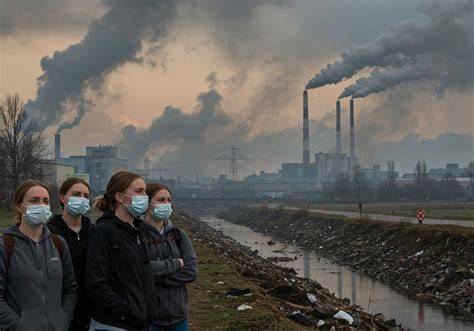
Air pollution means that the air we breathe becomes dirty and bad for our health. Air is polluted by natural activities like forest fires and volcanic eruptions, but human activity is even more polluting.
Our consumer society is based on manufacturing. We need factories to produce the things we buy and power plants for electricity, which emit high levels of carbon monoxide, methane and other chemicals into the air through the fumes and smoke that come out of their chimneys.
Burning fossil fuels like oil, gas and coal for transportation also results in smog and serious air pollution. These are directly pumped into the air as primary pollutants.
Contaminated air can cause respiratory and lung diseases apart from the climate change. But methane, for example, is also produced by the animals we keep for food and by the tons of decomposing garbage in landfills.
The chemicals we use in our household can also be great pollutants. You should check what cleaning and hygienic products you spray into the air!
Hogyan csökkenthetjük a levegőszennyezést?
Ways to fight air pollution are straightforward: be less dependent on polluting transportation - ride a bike more and use the car less if you can’t have an environmentally friendly one.
Buy less new, non-recyclable products and check if they are environmentally friendly or not. Recycle your waste and use less electricity!
Car fumes produce too much carbon-dioxid which is harmful to our health (it may cause asthma). Air and water is becoming polluted (e.g. from aeroplanes’ petrol).
Vízszennyezés - Water pollution
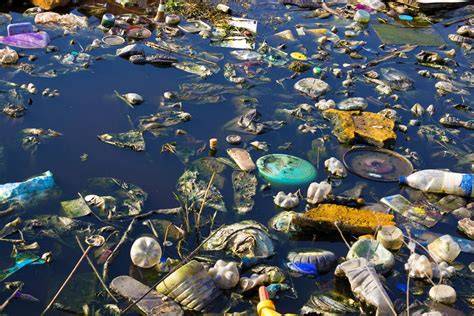
Nature has a way of keeping our water supplies clean, but we are making this more and more difficult. Cities and their industries dump waste products and chemicals into the seas, which is not only destructive for humans, but also for all other living beings.
Unfortunately, not only businesses and factories throw their garbage into the water. Many people also think rivers, lakes and seas are perfect places to dump their litter into.
People also cause water pollution accidentally when their vehicles leak oil and gas and it gets washed into our water sources through rain or when cleaning the streets and driveways.
A huge and many times tragic way to destroy the quality of our water and the creatures that live in or feed from it is through oil pollution. We hear about oil spills regularly and we know how difficult it is to clean and how many animals and humans suffer the consequences.
The sewage waste from houses and industries, like nuclear waste from nuclear plants, also ends up in our rivers and seas and there are also underground storage leaks when the harmful substances that are kept in tanks or run through pipes, like petroleum, under the ground contaminate our water sources.
Hogyan védhetjük a vizeket?
What you can do for water protection? Try to waste as little water as possible when you are washing your teeth, showering or cleaning.
Always use environmentally friendly household cleaning and hygienic materials. Check your car for leaks.
Avoid using pesticides and artificial fertilizers in your garden or for farming because they all get into the nearby water sources through the soil.
And whatever you do, do not litter in rivers, lakes, beaches and oceans!
Talajszennyezés - Land pollution
Water and land pollution are connected many times. If you use natural and biodegradable products for farming, you can prevent poisonous substances like pesticides, insecticides and artificial fertilizers from getting into our soil, into the plants we and the animals eat, and also into our water sources.
Recycling our waste is also an important step to take to stop land pollution. Garbage that is non-biodegradable and does not easily rot into organic matter should not be piled up on the landfills where cities transport their waste.
They stay there for thousands of years and pollute our earth and the crops we eat.
Erdőirtás
Deforestation is also a kind of land pollution. We need trees to absorb carbon dioxide from the air and produce life-giving oxygen, while forests are the home of many animals, birds and insects.
We also use wood for housing, furniture and heat. While we are cutting down trees for construction, farming and mining, we don’t plant new trees.
Can imagine the consequences if we don’t do something against this more and more serious problem?
Globális felmelegedés és az éghajlatváltozás
One of the main effects of pollution is global warming, for example, which causes the changes in our climate and makes temperature rise. This leads to many problems for humans, plants and animals.
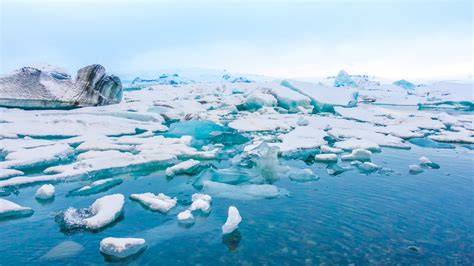
Due to global warming, the ice at the Poles melt, sea levels are rising and low-lied areas will be flooded. Some species may become extinct.
The ozone hole could grow bigger and bigger. Fossil fuels will run out.
Energiafogyasztás és fosszilis energiahordozók
We should reduce the amount of the energy we use. We should use energy-saving light bulbs and household devices (e.g. vakuum-cleaner, fridge, washing machine…).
We should turn off the light when we leave the room. We should have a shower instead of a bath.
We should insulate our house if we can afford it. We should find alternatives to fossil fuels, e.g. we can have solar panels installed on the roof to utilise solar power.
Fossil fuels will run out. Burning fossil fuels like oil, gas and coal for transportation also results in smog and serious air pollution.
Megújuló energiaforrások
We should find alternatives to fossil fuels, e.g. we can have solar panels installed on the roof to utilise solar power.
Alternatív és hagyományos energiaforrások! Megújuló, nem megújuló, hibrid, mindez csak egy kattintásnyira!
A megújuló energiaforrásokról szóló beszélgetésben érdemes összekapcsolni az energiatermelést a levegőszennyezéssel, a háztartási energiafogyasztással és a fosszilis energiahordozók kimerülésével.
Hulladék és újrahasznosítás
We should reduce the amount of rubbish we produce, because dumps and incinerators generate polutants. They contaminate the ground and the air.
We should donate unwanted clothes to charity organisations. We should use recyclable packaging, environment-friendly materials.
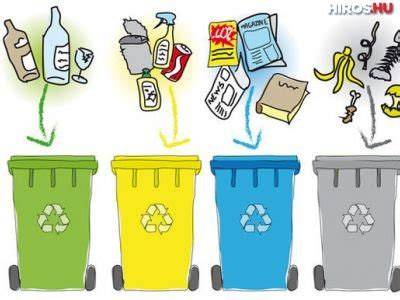
We should compost organic waste. We should collect rubbish selectively, so it can be recycled.
We shouldn’t throw away electronic waste and batteries. There should be more containers for selective rubbish collection.
Garbage that is non-biodegradable and does not easily rot into organic matter should not be piled up on the landfills where cities transport their waste. They stay there for thousands of years and pollute our earth and the crops we eat.
Hogyan legyünk környezettudatosak?
How can we reduce our INPACT on the environment? We should reduce the amount of the energy we use.
We should turn off the light when we leave the room. We should have a shower instead of a bath. We should insulate our house if we can afford it.
We should reduce the amount of rubbish we produce, because dumps and incinerators generate polutants. We should use recyclable packaging, environment-friendly materials.
We should compost organic waste. We should collect rubbish selectively, so it can be recycled.
We shouldn’t throw away electronic waste and batteries. There should be more containers for selective rubbish collection.
Try to waste as little water as possible when you are washing your teeth, showering or cleaning. Always use environmentally friendly household cleaning and hygienic materials.
Avoid using pesticides and artificial fertilizers in your garden or for farming because they all get into the nearby water sources through the soil.
And whatever you do, do not litter in rivers, lakes, beaches and oceans!
A környezetvédelem kapcsolata más vizsgatémákkal
Időjárás és évszakok
Az időjárás, az évszakok és a környezetvédelem egyaránt szerepelhetnek az alapfokú nyelvvizsga témái között. A globális felmelegedés hatással van a klímára, a hőmérsékletre és a természeti környezetre.
A „Kedvenc évszakom - my favourite season” középszintű érettségik gyakori témája, de előfordul középfokú nyelvvizsgákon is.
Közlekedés
A közlekedés a levegőszennyezés egyik fontos összetevője, mert a fosszilis üzemanyagok elégetése szmogot és komoly légszennyezést eredményez.
Be less dependent on polluting transportation - ride a bike more and use the car less if you can’t have an environmentally friendly one.
Vásárlás
A fogyasztói társadalom a gyártásra épül, a megvásárolt termékek előállítása pedig gyárakat és elektromos energiát igényel.
Buy less new, non-recyclable products and check if they are environmentally friendly or not. We should use recyclable packaging, environment-friendly materials.
Egészség
A légszennyezés nemcsak az éghajlatváltozással függ össze, hanem légzőszervi és tüdőbetegségeket is okozhat.
Car fumes produce too much carbon-dioxid which is harmful to our health (it may cause asthma). Contaminated air can cause respiratory and lung diseases apart from the climate change.
Munka és gazdaság
A környezetvédelem a gazdasági életben, a mezőgazdaságban, a műszaki technológiában, az energiagazdálkodásban és a hulladékgazdálkodásban is megjelenik.
A Zöld Út nyelvvizsga a választott szaknyelv mellett közös, környezeti, környzetvédelmi tematikát is tartalmaz.
A közös tematika kizárólag az olvasott szövegértés és a hallott szövegértés feladatokban szerepel (egy-egy feladat).
Környezeti témák szaknyelvi vizsgákon
Gazdálkodási menedzsment
- Környezetvédelem a gazdaságban
- Vidékfejlesztés, falusi turizmus gazdasági kérdései
Agrár- és környezettudományi terület
- Környezetvédelem a mezőgazdaságban
- Vidékfejlesztés, falusi turizmus
Műszaki tanulmányok
- Műszaki technológia alapjai (gépipar, építőipar), modern és környezetbarát technológiák
- Energia, alternatív energiaforrások
- Környezet, környezetvédelem
- Hulladékgazdálkodás
- Környezetszennyezés (levegő, víz, talaj)
- Globális felmelegedés
- Energiagazdálkodás, alternatív energiák
- Környezetvédő szervezetek és mozgalmak
- Az emberi tevékenységek környezetkárosító hatásai
Hasznos témamondatok az environment témához
- All of us know how important it is to protect our environment.
- We are still polluting our earth.
- The three main kinds of pollution are: air, water and land pollution.
- Air pollution means that the air we breathe becomes dirty and bad for our health.
- Contaminated air can cause respiratory and lung diseases apart from the climate change.
- Try to waste as little water as possible when you are washing your teeth, showering or cleaning.
- And whatever you do, do not litter in rivers, lakes, beaches and oceans!
- Recycling our waste is also an important step to take to stop land pollution.
- We should reduce the amount of the energy we use.
- We should use energy-saving light bulbs and household devices.
- We should turn off the light when we leave the room.
- We should have a shower instead of a bath.
- We should use recyclable packaging, environment-friendly materials.
- We should compost organic waste.
- We should collect rubbish selectively, so it can be recycled.
- We shouldn’t throw away electronic waste and batteries.
- We should find alternatives to fossil fuels.
- Some species may become extinct.
Egyszerű felépítés egy szóbeli válaszhoz
- Nevezd meg a témát: a környezetvédelem fontos mindennapi és társadalmi kérdés.
- Mutasd be a fő problémákat: levegő-, víz- és talajszennyezés.
- Beszélj az okokról: közlekedés, gyárak, fosszilis tüzelőanyagok, hulladék és erdőirtás.
- Mondd el a következményeket: egészségügyi problémák, globális felmelegedés, emelkedő tengerszint és fajok kihalása.
- Adj megoldásokat: energiatakarékosság, kerékpározás, újrahasznosítás, szelektív hulladékgyűjtés és víztakarékosság.
- Fejezd ki a saját véleményedet: minden ember tehet valamit a környezet védelméért.
tags: #alapfoku #nyelvvizsga #enviroment